
You walk into the living room and there it is again, another scratch mark cutting across the floor near the door where your dog waits every afternoon. Or maybe it is the faint ring of a stain that never quite came out after last month’s accident. If you share your home with a dog or cat, you already know that ordinary flooring was not built with claws, accidents, and muddy paws in mind.
Choosing the right flooring for a pet friendly home is not just about looks. It is about finding a surface that can handle scratches, moisture, and the occasional mess without falling apart within a few years. The good news is that flooring technology has come a long way, and there are now several genuinely dog proof and cat friendly options that still look good in a modern home.
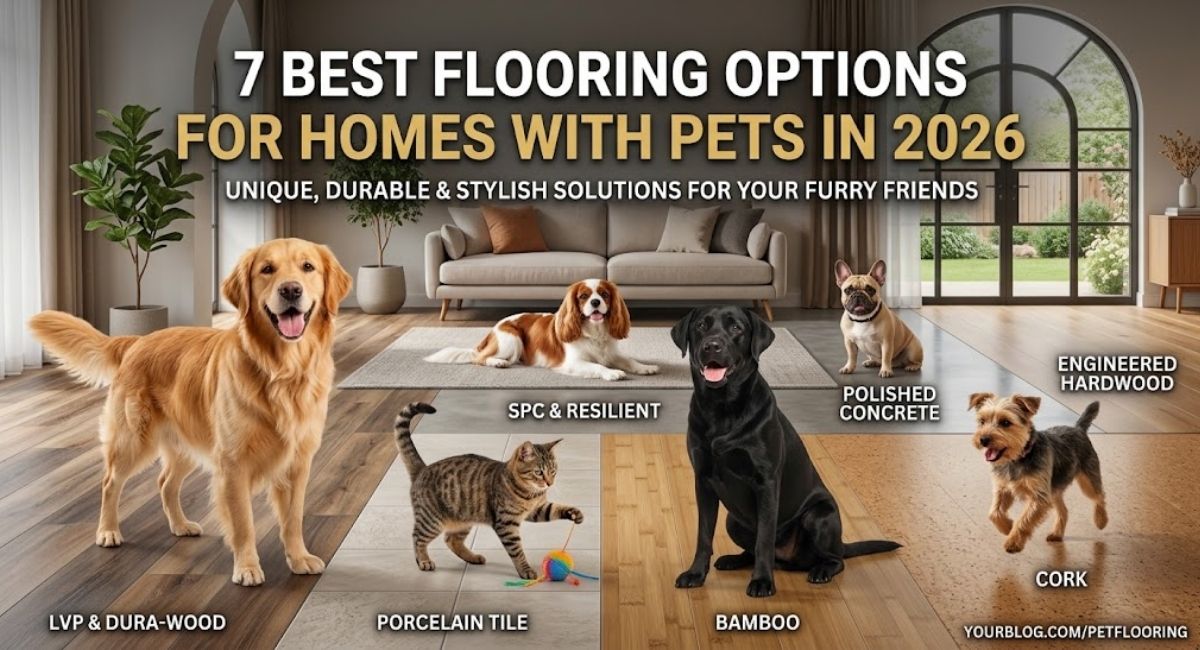
This guide breaks down the seven best flooring options for homes with pets, what makes each one hold up, and how to choose based on the specific animals and habits in your household.
Why Standard Flooring Often Fails in Pet Households
Traditional hardwood flooring, while attractive, is one of the more vulnerable surfaces when it comes to pet ownership. Dog nails, even when trimmed regularly, can leave fine scratches on softer wood species over time, and any moisture from spilled water bowls or accidents can warp or stain the wood if it is not cleaned up quickly. Carpet presents a different challenge, since it traps odor, absorbs stains, and is genuinely difficult to fully clean after a pet accident, even with professional equipment.
This does not mean every home with pets needs to avoid wood or carpet entirely, but it does mean the flooring choice matters more in a pet household than it does in a home without animals. Selecting a surface built to handle scratching, moisture, and regular cleaning from the start saves significant cost and frustration compared to repairing or replacing damaged flooring a few years in.
What Makes Flooring Genuinely Pet Friendly
Before comparing specific materials, it helps to understand the qualities that actually matter for a home with dogs or cats.
Scratch resistance. Surface hardness and finish quality determine how well flooring resists claw marks. This matters most for larger, more active dogs, though cats can also scratch flooring near scratching posts or window perches.
Water and stain resistance. Waterproof flooring handles spills, accidents, and muddy paws far better than porous materials, and it resists the staining and warping that can happen when moisture sits on a surface for too long.
Traction. Slippery floors can be uncomfortable and even risky for pets, particularly older dogs or those with joint issues, since a lack of grip can lead to slipping injuries over time.
Ease of cleaning. A floor that can be quickly wiped down or mopped reduces the ongoing maintenance burden that comes with pet ownership, especially during shedding season or after a walk in wet weather.
With those factors in mind, here are seven flooring types that consistently perform well in pet households.
1. Luxury Vinyl Plank (LVP)
Luxury vinyl plank has become one of the most popular choices for pet owners, and for good reason. It combines a realistic wood look with a fully waterproof core, making it resistant to accidents, spills, and general moisture exposure. Higher quality LVP also comes with a tough wear layer that resists scratching significantly better than natural hardwood.
LVP installs as floating planks that click together, which also makes it easier to replace an individual damaged plank without redoing an entire room. For a deeper comparison of vinyl plank against similar products, our guide on LVP vs LVT flooring breaks down the key differences worth understanding before you buy.
2. Laminate Flooring With a High AC Rating
Laminate flooring has improved considerably in recent years, and options with a higher Abrasion Class, commonly shown as an AC rating, resist scratching well enough for most pet households. Laminate typically costs less than LVP while offering a similarly realistic wood or stone appearance.
The main consideration with laminate is water resistance, since traditional laminate is more vulnerable to moisture at the seams than fully waterproof vinyl. Newer waterproof laminate products have addressed much of this gap, though it is worth confirming a specific product’s water resistance rating before installing it in a home with pets prone to accidents.
3. Porcelain or Ceramic Tile
Tile remains one of the most scratch resistant and water resistant flooring options available, making it a strong choice for entryways, kitchens, and mudrooms where pets track in dirt and moisture most frequently. Because tile is fired at high temperatures, it resists claw marks essentially indefinitely under normal use, and spills wipe away easily without soaking into the surface.
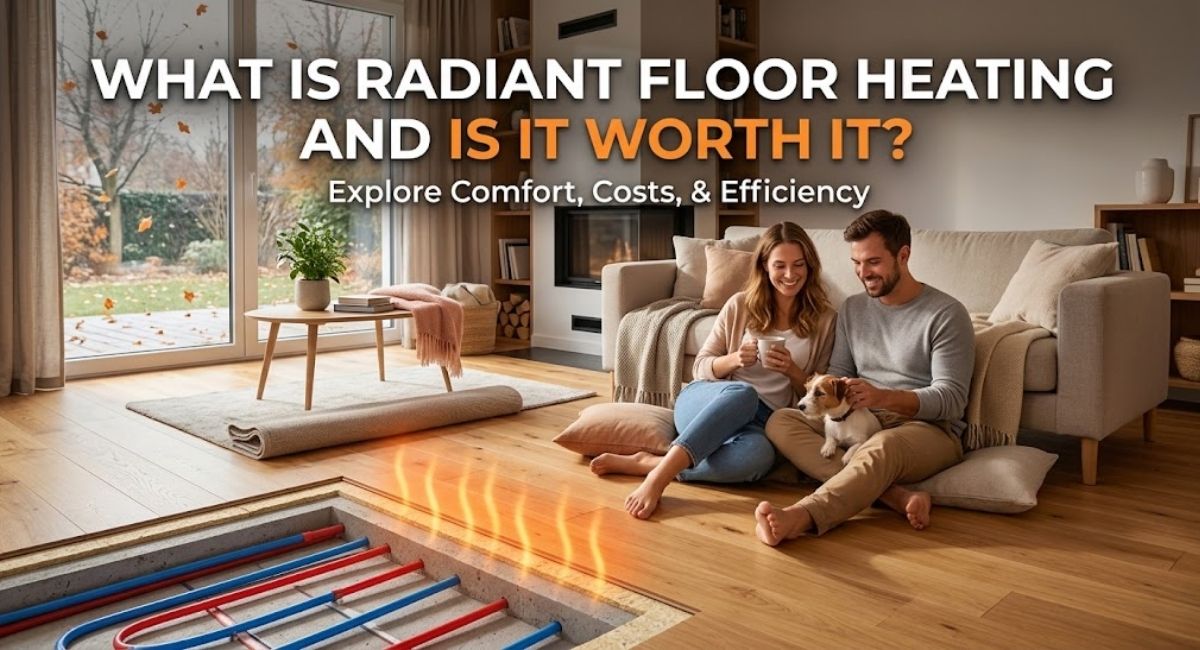
The trade offs are a harder, colder surface that can be less comfortable for pets to lie on, and grout lines that require periodic sealing to stay stain resistant. Radiant floor heating installed beneath tile can offset the cold surface issue significantly, giving pets a warmer spot to rest even in colder months, which is worth considering if you are already planning a larger renovation in a tile heavy area.
4. Waterproof Rigid Core Vinyl
Rigid core vinyl takes the waterproof benefits of standard LVP and adds a denser, more stable core layer, which improves dent resistance and stability underfoot. This makes it a strong option for larger, heavier dog breeds where standard vinyl might show more wear over time.
Rigid core products also tend to install more easily over slightly uneven subfloors compared to standard LVP, since the thicker core bridges minor imperfections better. Our detailed roundup of waterproof wood flooring brands covers specific manufacturers worth considering if durability is your top priority.
5. Bamboo Flooring (Strand Woven)
Strand woven bamboo is significantly harder than most traditional hardwood species, thanks to the manufacturing process that compresses bamboo fibers under heat and pressure. This added hardness translates into meaningfully better scratch resistance compared to softer woods like pine or standard oak.
Bamboo is not fully waterproof, so it still requires prompt cleanup of accidents and spills, but for pet owners who want the warmth and appearance of real wood with better durability, strand woven bamboo is a reasonable middle ground between traditional hardwood and fully synthetic waterproof options.
6. Rubber Flooring
Less common in main living areas but increasingly popular in dedicated pet spaces, mudrooms, and basements, rubber flooring offers excellent traction, cushioning, and water resistance. It is particularly well suited to households with senior dogs or pets recovering from joint surgery, since the softer surface reduces impact on joints compared to hard tile or vinyl.
Rubber flooring is easy to clean and holds up extremely well to scratching, though the aesthetic tends to read as more utilitarian than decorative, which is why it works best in secondary spaces rather than a main living room or bedroom.
7. Polished or Sealed Concrete
For basements, garages, or modern industrial style homes, polished and properly sealed concrete offers outstanding scratch and moisture resistance. Once sealed correctly, concrete resists staining from accidents and cleans easily with standard mopping.
The main downsides are a hard, cold surface similar to tile, and the fact that concrete needs to be properly sealed and occasionally resealed to maintain its stain resistance over time. For basement specific concrete flooring guidance, including how it pairs with moisture barriers, our companion guide on concrete floor options covers finishing techniques in more detail.
How Flooring Choice Fits Into a Broader Renovation Plan
Flooring rarely gets chosen in isolation, especially if you are tackling a larger renovation project. If your pet friendly flooring upgrade is happening alongside other improvements, it is worth sequencing the work sensibly. Structural issues, such as cracks in walls or subfloor damage, should be addressed before new flooring goes in, since installing durable flooring over an unresolved problem simply hides the issue rather than fixing it. Our guide on fixing cracks in walls is a useful starting point if you notice settling or structural wear during a flooring project.
For homeowners planning a broader eco conscious renovation, it is also worth considering how flooring material choices align with sustainability goals. Several pet friendly options, including bamboo and certain LVP lines made with recycled content, fit within a more environmentally considered renovation approach, which we cover more broadly in our guide to eco friendly materials for modern home renovations.
Laminate vs Vinyl vs LVP for Pet Owners Specifically
Homeowners comparing laminate, standard vinyl, and luxury vinyl plank often find the differences confusing, since all three can look similar once installed. For pet households specifically, the deciding factor usually comes down to water resistance and repairability. Laminate uses a fiberboard core that, even with water resistant treatments, remains more vulnerable to swelling if moisture sits on a seam for an extended period, which matters if accidents are not always caught immediately.
Standard sheet vinyl offers strong water resistance across a seamless surface, which can be an advantage in smaller rooms like bathrooms or laundry areas, but it lacks the plank based repairability of LVP, where a single damaged section can be replaced without redoing the whole floor. LVP generally strikes the best balance for most pet households between water resistance, scratch resistance, and long term repairability, which is part of why it has become the default recommendation across so many pet friendly flooring guides, including this one.
Comparing the Top Pet Friendly Flooring Options
| Flooring Type | Scratch Resistance | Water Resistance | Comfort Underfoot |
| Luxury vinyl plank | High | Fully waterproof | Moderate |
| Laminate (high AC rating) | Moderate to high | Varies by product | Moderate |
| Porcelain or ceramic tile | Very high | Fully waterproof | Low, unless heated |
| Rigid core vinyl | High | Fully waterproof | Moderate |
| Strand woven bamboo | Moderate to high | Water resistant, not waterproof | Moderate to high |
| Rubber flooring | Very high | Water resistant | High |
| Sealed concrete | Very high | Water resistant when sealed | Low |
Choosing the Right Flooring for Your Specific Pets
The best flooring choice depends heavily on the type, size, and habits of the pets living in your home. Large, active dog breeds that spend a lot of time running indoors benefit most from the hardest, most scratch resistant surfaces, such as tile, rigid core vinyl, or rubber in high traffic zones. Smaller dogs and cats generally cause less scratching wear, which opens up more flexibility to include bamboo or standard LVP without worrying as much about deep claw marks.
Households with senior pets or animals recovering from an injury should prioritize traction and cushioning over pure hardness, since a slippery tile or polished concrete floor can be genuinely difficult for an older dog to navigate safely. In these situations, rubber flooring or an LVP product with a textured, slip resistant finish tends to work better than a glossier, harder surface.
Multi-pet households, particularly those with both dogs and cats, often benefit from a mixed approach: waterproof vinyl or laminate in main living areas, paired with tile or rubber in entryways, mudrooms, and any space where accidents or muddy paws are most likely.
Underlayment and Installation Considerations
Underlayment plays a bigger role in pet friendly flooring than many homeowners realize. A quality underlayment adds a layer of cushioning that can reduce noise from claws on hard flooring and provide a small amount of additional impact absorption for joints. For vinyl and laminate installations specifically, our guide on underlayment for vinyl flooring explains which types perform best under different subfloor conditions.
Installation quality also affects long term durability in a pet household. Poorly sealed seams on vinyl or laminate flooring create an entry point for moisture from accidents to seep beneath the surface, which can lead to warping or subfloor damage over time even with an otherwise waterproof product. Hiring an experienced installer, or following manufacturer instructions carefully for a DIY installation, matters more in pet households than in homes without this added moisture risk.
Dealing With Common Pet Related Flooring Damage
Even the most durable flooring will show some wear over time in an active pet household, and knowing how to address minor damage extends the life of a floor significantly. Light surface scratches on vinyl or laminate can often be minimized with a manufacturer recommended repair kit or touch up product, while deeper gouges may require replacing an individual plank, which is one of the practical advantages of click together flooring systems.
Burn marks and deep scuffs on vinyl plank flooring, sometimes caused by dragging heavy pet crates or furniture, can usually be addressed without replacing the entire floor. Our guide on fixing burn marks on vinyl plank flooring covers practical repair methods for this specific issue.
Stains from accidents on grout lines or porous surfaces respond best to prompt cleaning, since dried in stains become significantly harder to remove the longer they sit. Keeping an enzyme based pet cleaner on hand, rather than relying solely on standard household cleaners, tends to produce better results for both stain and odor removal.
Budgeting for Pet Friendly Flooring
Pet friendly flooring spans a wide price range, and the most durable option is not always the most expensive one. Laminate and standard LVP generally sit at the more affordable end while still offering solid scratch and water resistance, making them a practical starting point for homeowners on a tighter budget. For a broader comparison of pricing across flooring categories, our guide to affordable flooring options covers cost ranges in more detail.
It is worth thinking about total cost over time rather than just the upfront price. A cheaper floor that needs replacing within a few years due to pet related wear often ends up costing more than a moderately priced, genuinely durable option installed once and maintained properly.
Room by Room Flooring Strategy for Pet Owners
Rather than choosing a single flooring type for an entire home, many pet owners get better results by matching flooring to how each room is actually used. Entryways and mudrooms see the most concentrated moisture and dirt from paws, making tile, rubber, or rigid core vinyl the strongest choices for these transition zones. Living rooms and bedrooms, where pets spend relaxed downtime, benefit from a balance of comfort and durability, which is where LVP, laminate, or bamboo tend to perform best.
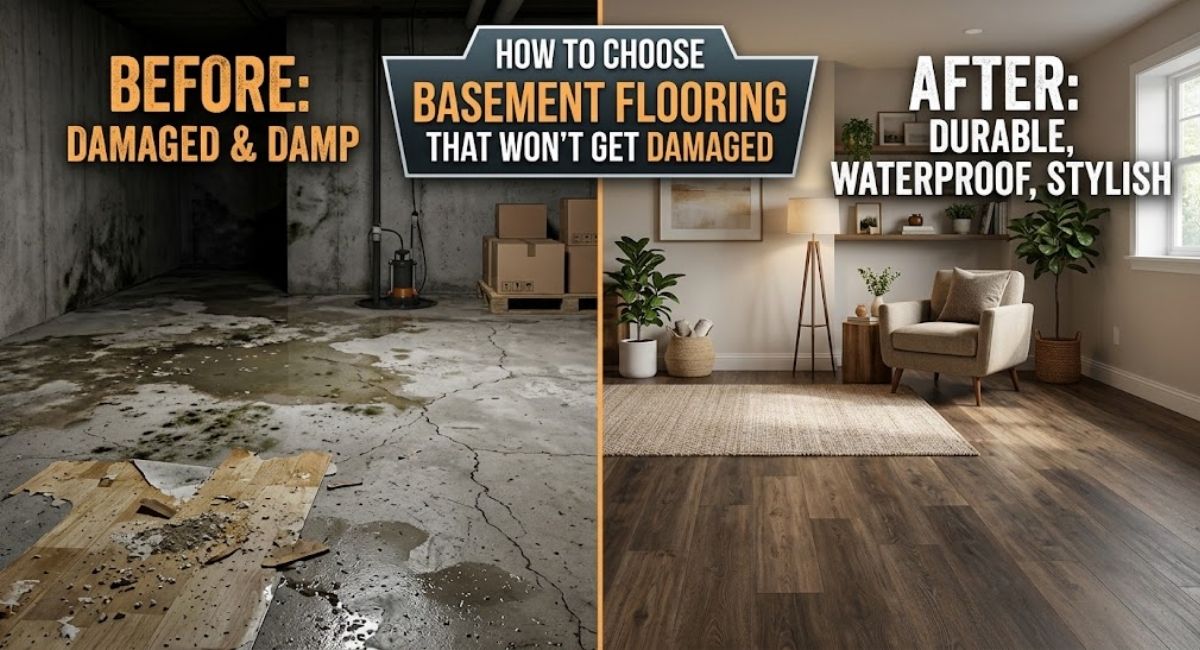
Kitchens present a particular challenge, since they combine food related spills with the general foot traffic of a busy household area. Fully waterproof options like tile or rigid core vinyl are generally the safer choice here compared to bamboo or standard laminate, given the higher likelihood of both pet and human related spills in this space. Basements, if used as a pet play area or converted into a dedicated pet room, often work well with sealed concrete or rubber flooring, both of which tolerate moisture and heavy use particularly well.
FAQs
What is the most scratch resistant flooring for dogs?
Porcelain tile and rubber flooring are among the most scratch resistant options available, though rigid core vinyl plank also performs very well while offering a warmer, more residential appearance.
Is laminate flooring good for homes with pets?
Laminate with a high AC rating can work well for pet households, particularly for smaller dogs and cats. Water resistance varies by product, so choosing a waterproof rated laminate is worth the extra cost if accidents are a concern.
Can hardwood flooring work in a home with dogs?
It can, particularly with harder wood species and prompt attention to spills, but hardwood generally shows scratch wear faster than vinyl, tile, or bamboo in households with active or larger dogs.
What flooring is best for pet accidents?
Fully waterproof options like luxury vinyl plank, rigid core vinyl, tile, and sealed concrete handle accidents best, since liquid does not penetrate the surface if cleaned up in a reasonable timeframe.
Does flooring choice affect a pet’s comfort or safety?
Yes. Slippery, hard surfaces can be difficult for older or joint sensitive pets to walk on safely. Textured finishes, rugs in key areas, or softer materials like rubber can improve traction and comfort.
Final Thoughts
The best flooring for a home with pets balances durability, water resistance, and comfort, and the right choice often depends on the specific animals sharing your space. Luxury vinyl plank and tile remain the most consistently reliable options for active households, while bamboo and quality laminate offer a good middle ground for calmer, smaller pets.
At BYB Good Idea, we focus on practical home upgrades that hold up to real daily life, pets included. For more flooring guidance as you plan your next project, check out our guides on DIY flooring ideas and how to fix squeaky wood floors.
Helpful resources:
- National Wood Flooring Association, care and maintenance guidance.
- American Society for the Prevention of Cruelty to Animals, pet proofing your home.