
You stand in the flooring aisle. Three sample boards sit next to each other. They all look like wood. One is labeled laminate. One is labeled vinyl. One is labeled LVP. The store worker uses all three terms like they mean the same thing, but the price tags tell a different story.
You are not wrong to feel confused. These three flooring types get mixed up constantly, even by people who sell them. But they are built differently, they perform differently, and picking the wrong one for your space can cost you real money down the line.
This guide breaks down laminate vs vinyl vs lvp in plain terms. No sales pitch, no vague comparisons. Just a clear look at what separates these three flooring types, so you can choose the right one for your home.
Why This Comparison Gets Confusing
Part of the confusion comes from how these products look once installed. Laminate, standard vinyl, and luxury vinyl plank all use printed images to mimic wood grain, stone, or tile. From a few feet away, many of these floors look nearly identical.
The real differences sit underneath that printed surface. Laminate is built around a wood-based core. Vinyl and LVP are built around a plastic-based core. That single difference in materials drives almost every other difference between them, including water resistance, comfort underfoot, and how they hold up over time.
Understanding the difference between laminate and vinyl flooring starts with understanding what each product is actually made from, not just how it looks in a showroom.
What Is Laminate Flooring
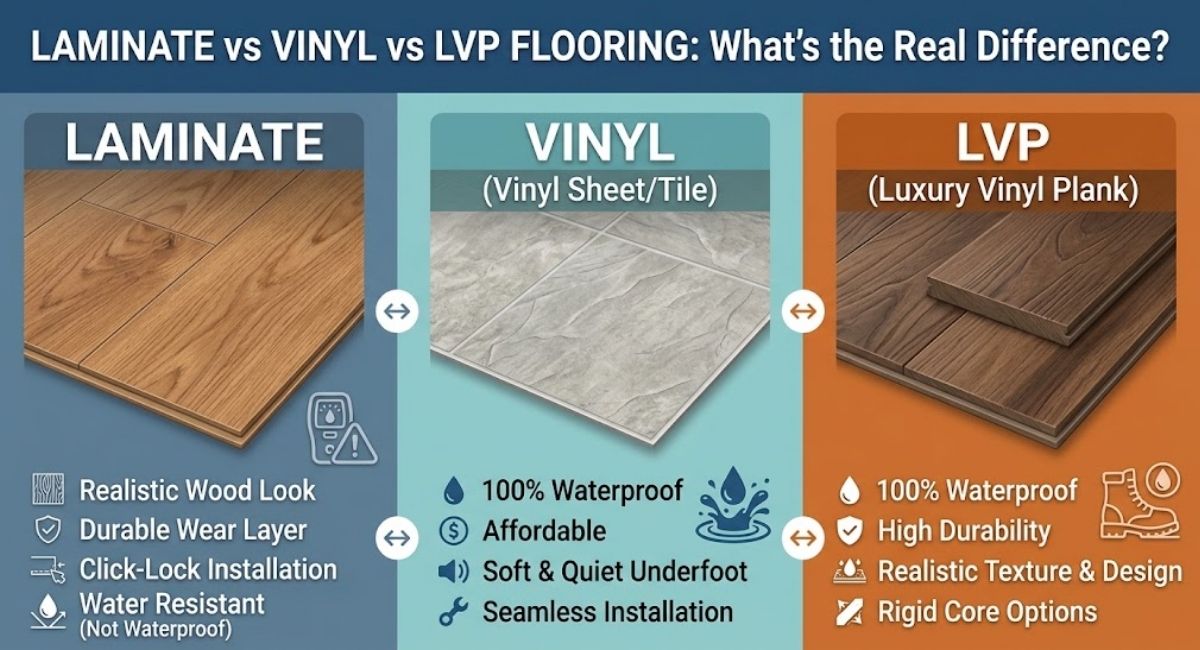
Laminate flooring is a multi-layer product built around a high-density fiberboard core. On top of that core sits a printed image layer, usually designed to look like wood, followed by a clear wear layer that protects the print from scratches and fading.
Laminate has been a popular flooring choice for decades because it offers a wood-like look at a lower cost than solid hardwood. It installs with a simple click-lock system in most cases, which makes it a common choice for do-it-yourself renovation projects.
Strengths of Laminate
Laminate holds up well to foot traffic and scratches, thanks to its hard wear layer. It also tends to have a very realistic wood grain texture, since the printing and embossing technology used in laminate has improved significantly over the years. Many homeowners choose laminate specifically because it closely mimics hardwood floor colors and textures at a fraction of the price.
Where Laminate Falls Short
The fiberboard core is the main weak point. It swells and warps when exposed to standing water for an extended period. This makes laminate a poor choice for bathrooms, laundry rooms, or basements prone to moisture. Some newer laminate products include water-resistant cores, but even these are not fully waterproof the way vinyl products can be.
What Is Vinyl Flooring
Vinyl flooring covers a broad category of resilient flooring made mostly from PVC, a type of plastic. This category includes sheet vinyl, vinyl tile, and luxury vinyl plank, though people often use the word vinyl loosely to describe any of these.
Standard sheet vinyl comes in large rolls and is typically installed as one continuous piece, which makes it a strong option for bathrooms and kitchens where seams are a concern. Vinyl tile comes in smaller individual pieces, often designed to mimic ceramic or stone tile patterns.
Strengths of Vinyl
Vinyl flooring is naturally water resistant, since its core does not absorb moisture the way wood-based products do. It is also generally the most affordable option among the three, particularly sheet vinyl, which makes it a common choice for rental properties and budget renovations. Vinyl is also fairly soft underfoot compared to laminate, which some homeowners prefer in kitchens where they stand for long periods.
Where Vinyl Falls Short
Basic vinyl flooring can feel less premium than laminate or LVP, both in appearance and underfoot feel. Sheet vinyl in particular can be harder to repair if damaged, since replacing a section usually means dealing with a large continuous piece rather than a single plank.
What Is LVP Flooring
Luxury vinyl plank, commonly shortened to LVP, is a more advanced version of vinyl flooring. It uses a similar PVC-based core to standard vinyl but adds thicker construction, a stronger wear layer, and often a rigid core layer that improves stability and comfort underfoot.
LVP is designed to closely resemble hardwood, both in appearance and in plank format, which makes it a popular alternative for homeowners who want the look of wood without the water sensitivity of laminate or solid hardwood.
Strengths of LVP
LVP combines the water resistance of vinyl with a more realistic look and feel than basic vinyl products. Many LVP products are fully waterproof, which makes them suitable for bathrooms, kitchens, and basements. Brands like Coretec have built a strong reputation around rigid-core LVP products that resist denting and offer a more solid, quiet feel underfoot compared to older flexible vinyl planks.
Where LVP Falls Short
LVP typically costs more than standard vinyl and can cost more than mid-range laminate as well, depending on the product line. While durable, it is still a synthetic material, and very high-end versions can approach the price of some entry-level solid hardwood or engineered wood options, which narrows the cost gap that originally made vinyl attractive.
Laminate vs Vinyl vs LVP: Direct Comparison
Here is a side-by-side look at how these three flooring types compare across the factors that matter most to homeowners.
| Factor | Laminate | Standard Vinyl | LVP |
| Core material | Wood fiberboard | Flexible PVC | Rigid or flexible PVC |
| Water resistance | Limited, some water-resistant options | Naturally water resistant | Often fully waterproof |
| Cost | Low to moderate | Low | Moderate to high |
| Comfort underfoot | Firm, slightly hollow sound | Soft | Soft to firm, quieter with rigid core |
| Best rooms | Living rooms, bedrooms | Kitchens, bathrooms, budget rentals | Kitchens, bathrooms, basements, high traffic areas |
| Realistic wood look | Very realistic texture and grain | Moderate, varies by product | Highly realistic, closer to real wood feel |
Cost Breakdown in Practical Terms
Laminate generally sits in the low to moderate price range, making it a strong choice for homeowners who want a wood look without the cost of hardwood. Standard vinyl, especially sheet vinyl, is usually the cheapest of the three, which explains its popularity in rental units and quick renovations.
LVP sits at the higher end of this comparison. The added durability, waterproofing, and realistic texture come at a price, though many homeowners find the added performance worth the extra cost, particularly in rooms exposed to moisture or heavy foot traffic.
Water Resistance in Real Situations
This is often the deciding factor for many homeowners. A finished basement or a bathroom floor needs to handle occasional water exposure without warping. Laminate struggles here unless you specifically choose a water-resistant labeled product, and even then, standing water left too long can still cause damage.
Standard vinyl and LVP both handle water far better, since their PVC-based cores do not absorb moisture the same way wood fiber does. If your project involves a bathroom, laundry room, or basement, our detailed comparison of LVP vs LVT goes deeper into how these two vinyl-based options differ from each other, beyond just the laminate comparison covered here.
Durability and Daily Wear
Laminate resists scratches well, thanks to its hard wear layer, but it can chip at the edges if something heavy is dropped on it. LVP tends to handle dents and impacts better, particularly rigid-core versions, since the flexible plastic core absorbs some impact rather than cracking.
Standard vinyl is durable in terms of water resistance but can show wear and denting from heavy furniture more easily than LVP, especially in thinner, budget product lines.
Popular Brands Worth Knowing
A few brand names come up constantly when homeowners research these flooring types, and knowing what each is known for helps narrow your search.
Mohawk is a long-standing flooring manufacturer with strong product lines across laminate, vinyl, and LVP. Their laminate lines are known for realistic wood grain texture, and if you want to compare a specific water-resistant laminate line, our review of Mohawk RevWood flooring covers how that product performs against standard laminate.
Shaw is another major manufacturer with a wide range of resilient and laminate flooring products, often recognized for consistent quality across different price points.
Coretec has built its reputation specifically around rigid-core LVP, and is frequently mentioned by homeowners looking for a waterproof floor that still feels solid and quiet underfoot, closer to the experience of walking on real hardwood.
Choosing Based on the Room
Different rooms in a home have different flooring needs, and this often matters more than personal style preference.
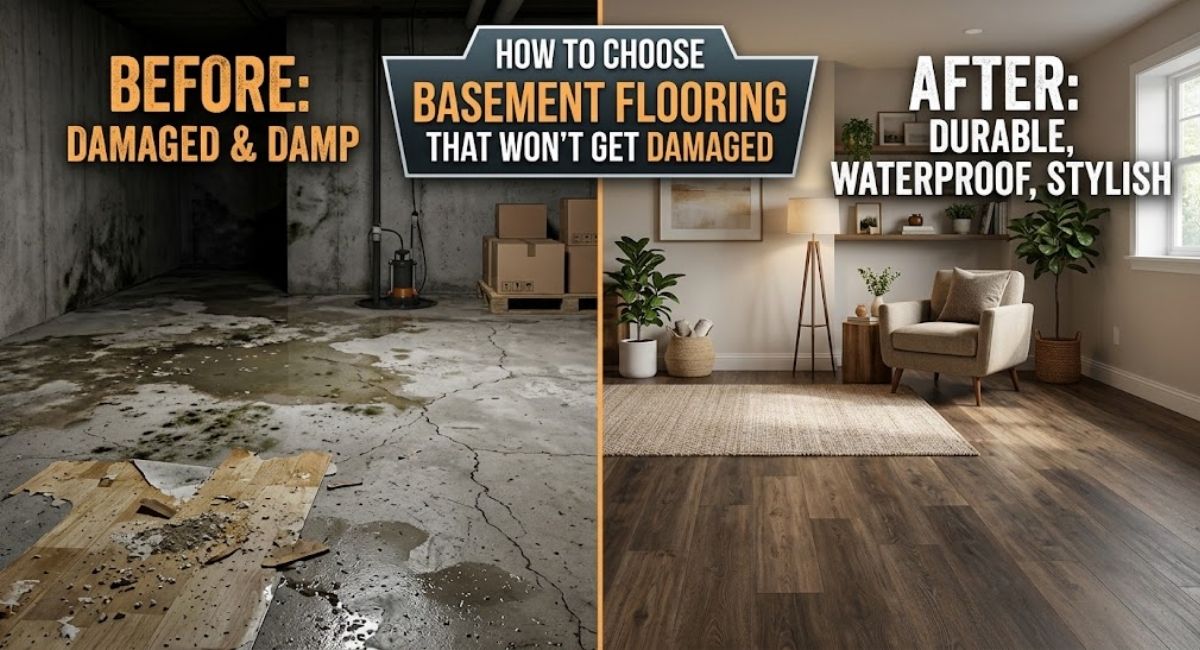
For bedrooms and living rooms, where moisture is rarely a concern, laminate is a solid, budget-friendly choice that holds up well under normal foot traffic. For kitchens and bathrooms, LVP or standard vinyl make more sense, given their water resistance. Basements, which can face occasional dampness even with proper waterproofing, generally do better with LVP or vinyl rather than laminate, unless you choose a laminate product specifically rated for water resistance.
If you are still exploring your options across different flooring categories, our broader guide to affordable flooring options covers additional budget-friendly choices beyond these three, which can help if cost is your main concern.
Installation Differences Worth Knowing
Laminate and LVP both commonly use a click-lock installation system, which many homeowners install themselves without professional help. This floating floor method does not require glue or nails in most cases, which speeds up installation and makes replacement easier if a single plank gets damaged.
Standard sheet vinyl typically requires more precise cutting and, in many cases, adhesive installation, which makes it a less common do-it-yourself project compared to laminate or LVP. If you plan to install underlayment beneath a vinyl floor for extra comfort or sound reduction, our guide on underlayment for vinyl flooring explains when it helps and when it is unnecessary.
Maintenance and Long-Term Care
All three flooring types are relatively low maintenance compared to solid hardwood, but small differences matter over time. Laminate needs to avoid standing water and excessive wet mopping, since moisture can seep into seams over time. Vinyl and LVP tolerate regular mopping and occasional water exposure far better, making daily cleaning simpler.
Scratches on laminate are generally permanent, since the design layer sits close to the surface. LVP and vinyl can sometimes hide minor scuffs better, depending on the texture and finish of the specific product.
According to general flooring standards published by the Resilient Floor Covering Institute, resilient flooring products, which include vinyl and LVP, are tested for wear layer thickness and durability ratings that help consumers compare long-term performance across different product lines.
Common Mistakes When Choosing Between These Options
A few mistakes come up repeatedly during flooring decisions. Choosing laminate for a bathroom or basement without checking water resistance ratings often leads to warping within a year or two. Assuming all vinyl products are equally durable ignores real differences between thin sheet vinyl and thicker rigid-core LVP. Focusing only on upfront cost, without factoring in the room’s exposure to moisture and traffic, often leads to replacing a floor sooner than expected.
Laminate vs. Vinyl vs. LVP: Your Questions Answered
Is LVP better than laminate?
It depends on the room. LVP handles water and moisture better, which makes it the stronger choice for kitchens, bathrooms, and basements. Laminate can be a better value in dry rooms like bedrooms and living rooms, where water resistance matters less.
What is the actual difference between laminate and vinyl flooring?
Laminate uses a wood fiberboard core with a printed image layer on top. Vinyl uses a plastic-based PVC core. This core difference is why vinyl handles water far better than laminate.
Is LVP the same as vinyl flooring?
LVP is a type of vinyl flooring, but not all vinyl is LVP. Standard vinyl includes sheet vinyl and vinyl tile, while LVP specifically refers to thicker, plank-format vinyl designed to closely resemble hardwood.
Which flooring type lasts the longest?
LVP generally offers the strongest combination of durability and water resistance, which often gives it a longer practical lifespan in high-traffic or moisture-prone areas. Laminate can last just as long in dry rooms with proper care.
Can I install laminate, vinyl, or LVP myself?
Laminate and LVP are generally the easiest for do-it-yourself installation, thanks to click-lock systems that do not require glue or nails. Sheet vinyl usually requires more precise cutting and sometimes professional installation.
Is LVP worth the higher price compared to laminate?
For rooms exposed to moisture or heavy traffic, many homeowners find the extra durability and water resistance worth the added cost. For low-moisture rooms, laminate often delivers similar visual results at a lower price.
Final Thoughts and Practical Next Steps
There is no single winner in the laminate vs vinyl vs lvp comparison. Each option solves a different problem. Laminate offers a realistic wood look at a lower cost for dry rooms. Standard vinyl offers strong water resistance and the lowest price point. LVP combines water resistance with a more premium look and feel, at a higher cost.
Start by identifying which rooms need new flooring and how much moisture exposure each room realistically faces. From there, match the flooring type to that need rather than choosing based on appearance alone, since all three can look convincingly like wood from a distance.
At BYB Good Idea, we break down home renovation decisions like this one so you can choose with confidence instead of guessing. Browse our other flooring guides for more room-specific comparisons, and come back as you plan your next renovation project.
Helpful resources for getting started:
- Sample boards from Mohawk, Shaw, or Coretec to compare texture and color in person
- A moisture reading of your subfloor before installing any flooring type
- Underlayment suited to your chosen flooring for added comfort and sound reduction
- A basic installation guide from your chosen brand before starting a do-it-yourself project