
You drop a heavy pan in the kitchen. A dog sprints across the hall. A glass of water tips over near the sofa. Every home has these moments, and your floor takes the hit each time.
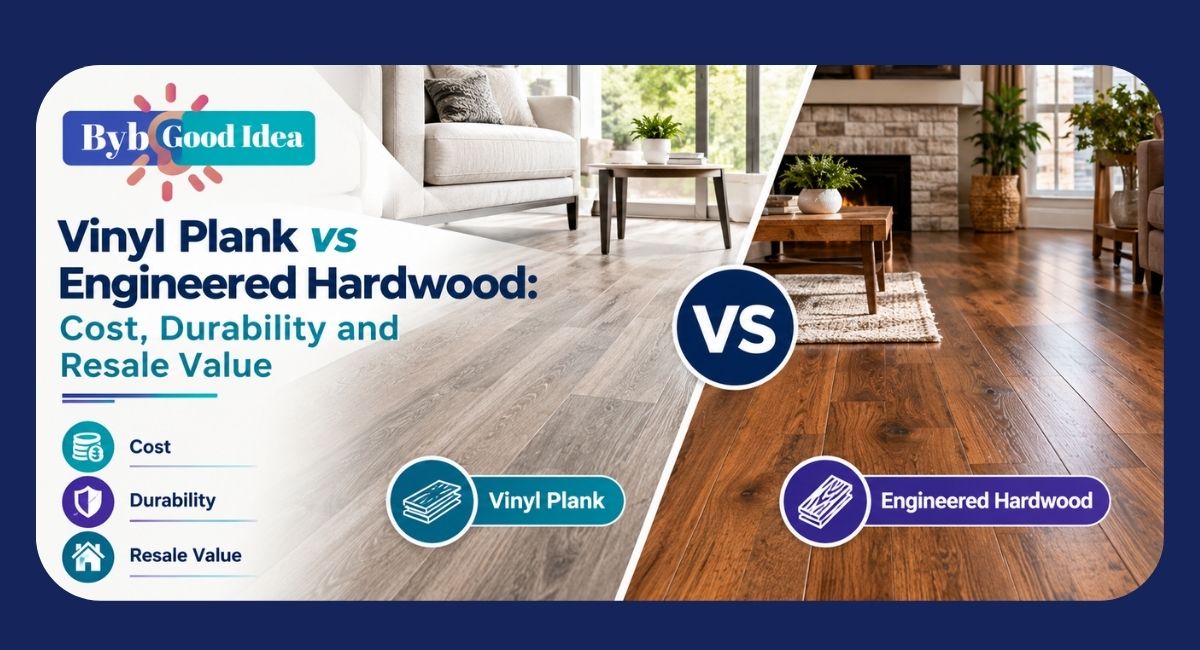
That is why the choice between vinyl plank and engineered hardwood matters. Both look like wood. Both come in click-together planks. Both sell well in showrooms. But they behave very differently after five or ten years of real life.
This guide compares them in plain terms. You will see how each one handles water, scratches, repairs, and refinishing. You will see what they cost in the USA and the UK. You will also see how buyers tend to view each floor when you sell. At the end, you get a room-by-room verdict so you can decide with confidence.
The Short Answer First
Choose vinyl plank if water, pets, kids, or a tight budget drive your decision. Choose engineered hardwood if you want real wood, a floor that can be sanded, and a stronger appeal to buyers.
Neither floor is better in every room. The right pick depends on where the floor goes and how you live. The rest of this article explains why.
What Is Luxury Vinyl Plank?
Luxury vinyl plank, often shortened to LVP, is a layered synthetic floor. It is made mostly from PVC. The top layer carries a printed photo of wood grain. A clear coating sits on top of that print.
That clear coating is called the wear layer. It is measured in mils, where one mil equals one thousandth of an inch. A thicker wear layer protects the print for longer.
SPC Core and WPC Core
Most modern LVP is rigid core. There are two common types.
SPC stands for stone plastic composite. The core mixes limestone powder with PVC. It is dense, hard, and very stable. It resists dents and handles temperature swings well. It can feel firm and cool underfoot.
WPC stands for wood plastic composite. The core is a foamed PVC blend, sometimes with wood-like fillers. It is thicker and softer. It feels warmer and quieter when you walk on it. It dents a little more easily than SPC.
Brands such as Mohawk and Shaw sell both types. If you want a closer look at one popular line, the guide on Mohawk RevWood flooring is a helpful side read, though that product sits closer to laminate.
Wear Layer Thickness
For most homes, a wear layer of 12 to 20 mil is a solid range. Light-use bedrooms can work with 6 to 8 mil. Busy kitchens, hallways, and homes with large dogs do better at 20 mil or more. Commercial grades go higher still.
Do not judge a plank by total thickness alone. A thick plank with a thin wear layer will still scuff. The wear layer is the number that tells you how long the surface will last.
What Is Engineered Hardwood?
Engineered hardwood is a real wood floor built in layers. The top layer is a slice of solid hardwood. It is called the veneer or the wear layer. Under it sit several layers of plywood or high-density fiberboard. The layers run in different directions. That cross-grain build keeps the plank stable when humidity changes.
This is the main difference from solid hardwood. Solid planks swell and shrink more with moisture. Engineered planks move less. That makes them a better fit for basements, slabs, and homes with radiant heating.
Veneer Thickness and Why It Matters
Veneer thickness decides how many times you can refinish the floor.
- Under 1 mm: usually cannot be sanded at all.
- 2 mm: may take one light refinish.
- 3 to 4 mm: often allows one to two refinishes.
- 5 to 6 mm: can allow two to three refinishes, close to solid wood.
Always ask for the exact veneer thickness. Many product pages hide it. A 3/4 inch engineered plank can still have a very thin veneer.
Species and Janka Hardness
The Janka hardness test measures how much force it takes to push a steel ball into wood. A higher number means a harder surface. Here are common species, in approximate pounds-force:
Walnut sits near 1,010. White oak is about 1,360. Red oak is about 1,290. Hard maple is near 1,450. Hickory is close to 1,820.
Harder wood resists dents better. But hardness is not the whole story. The finish also matters, and so does the plank construction. If you like white oak, the page on white oak flooring covers that species in more detail.
The National Wood Flooring Association (NWFA) is the main trade body for wood floors in North America. Its guides on moisture, subfloors, and installation are worth reading before you buy any wood floor. You can browse them at nwfa.org.
Side-by-Side Scores
The table below scores each floor from 1 to 10 in six areas. A higher score is better. These scores are general guides for typical mid-range products. A premium or budget product in either category can score higher or lower.
| Category | Vinyl Plank (SPC or WPC) | Engineered Hardwood | Notes |
| Water resistance | 9 | 4 | Vinyl planks are waterproof. The seams can still leak under a flood. Wood swells. |
| Scratch resistance | 7 | 5 | A 20 mil wear layer holds up well. Wood scratches show more, but can be touched up. |
| Dent resistance | 6 | 5 | SPC resists dents. WPC and softer woods dent. |
| Repairability | 5 | 7 | Vinyl planks swap out. Wood can be spot repaired and refinished. |
| Refinish count | 1 | 6 | Vinyl cannot be refinished. Wood depends on the veneer. |
| Resale feel | 6 | 8 | Buyers tend to view real wood as a stronger feature. |
| Upfront cost | 8 | 5 | Vinyl costs less to buy and install in most cases. |
| Comfort and sound | 6 | 7 | Underlay choice matters for both. |
Add the numbers up and the two floors land close together. That is the honest truth. The winner depends on which category matters most to you.
[Insert your own sample-scratch test photos here: key scratch, dog nail scratch, and steel wool scuff on both floors, with captions and alt text such as “scratch test on 20 mil LVP vs engineered white oak”.]
Water: The Biggest Gap
Water is where these floors split apart.
How Vinyl Plank Handles Water
A rigid core vinyl plank does not absorb water. A spill, a mop, or a wet paw will not swell the plank. Many brands call their products waterproof for that reason.
There is one catch. Waterproof does not mean flood proof. Water can still seep through seams and sit under the floor. That can lead to mold on the subfloor if it stays trapped. Wipe up large spills quickly, even on vinyl.
How Engineered Hardwood Handles Water
Engineered hardwood is more water tolerant than solid wood, but it is not water resistant in the way vinyl is. A small spill wiped within minutes is fine. A leaking dishwasher, a pet accident left overnight, or a damp basement slab can cause cupping, swelling, and finish damage.
Wood needs stable humidity. Most manufacturers recommend indoor humidity between 30 and 50 percent. A hygrometer costs very little and helps you keep track.
The Verdict on Water
For bathrooms, laundry rooms, basements, and mudrooms, vinyl plank wins clearly. For living rooms and bedrooms, either one works. Kitchens sit in the middle, and the next section covers them.
Vinyl Plank vs Engineered Hardwood in the Kitchen
Kitchens combine spills, dropped items, and heavy foot traffic. This is the room where most buyers hesitate.
Vinyl plank is the safer pick near the sink, the dishwasher, and the fridge ice maker. A leak is less likely to ruin the floor. It also feels softer than tile when you stand for long periods.
Engineered hardwood can work well in a kitchen if you accept the risk. You need to wipe spills quickly, use mats at the sink, and check appliance hoses each year. Many homeowners love the look of real wood flowing from the kitchen into the living area. The page on wood floors in kitchens goes deeper into how to make that work.
One practical point: if you plan to run the same floor through your whole ground floor, think about the kitchen first. It is the room most likely to cause a problem. If the kitchen is fine, the rest will be too.
Scratches, Dents, and Daily Wear
Scratches
LVP resists scratches well when the wear layer is thick. Light scuffs from chairs and shoes often do not show. A deep gouge from a dragged appliance can cut through the wear layer and reveal the print below. That damage cannot be sanded out.
Engineered hardwood scratches more easily on the surface, especially with a satin or low-gloss finish that hides less. But wood has an advantage. Fine scratches can be buffed, filled, or blended with touch-up markers. Deeper damage can be sanded and recoated if the veneer is thick enough.
Dents
Dents come from heavy loads and sharp points, such as high heels and furniture legs. SPC cores resist dents well. WPC cores dent more easily. Softer woods such as walnut dent more than hickory or maple.
Felt pads under furniture help both floors. So does a rule of no cleats or heels indoors.
Homes With Dogs
Large dogs are hard on any floor. Their nails scratch. Their accidents sit on the surface. Their zoomies cause slides.
For a home with dogs, vinyl plank is usually the easier floor. A 20 mil wear layer with a textured surface hides nail marks and gives paws some grip. Waterproof construction also helps with accidents.
Engineered hardwood can work with dogs if you choose a hard species, a matte or wire-brushed texture, and a good finish. Keep nails trimmed. Clean accidents fast. Expect some wear, and plan for a refinish later.
If pets are your main concern, the guide on the best flooring options for homes with pets compares more materials side by side.
Repairs and Refinishing
This is the area many buyers forget to ask about.
Repairing Vinyl Plank
A floating click-lock LVP floor can be repaired by lifting planks from the nearest wall and replacing the damaged one. It is doable but fiddly. Glue-down vinyl is harder to fix without lifting neighbouring planks.
Keep a spare box from the same production batch. Colour can vary between batches. A plank bought three years later may not match.
Minor surface issues such as heat marks are tricky. The post on burn marks on vinyl plank flooring covers what can and cannot be done.
Refinishing Engineered Hardwood
Refinishing is the quiet strength of engineered wood. A sanding and recoat can remove years of wear and bring the floor back to near new. It can also change the stain colour.
How many times you can do this depends on the veneer. A 6 mm veneer can handle more cycles than a 2 mm one. Most homeowners refinish once, maybe twice, over the life of the floor.
Screen and recoat is a lighter option. It scuffs the old topcoat and applies a fresh one without removing wood. It can refresh a dull floor in a day or two.
The Verdict on Repairs
If you want a floor that you can restore, choose engineered hardwood with a thick veneer. If you want a floor that you replace in sections when needed, choose vinyl.
How Long Do They Last?
Lifespan depends on product quality, installation, and use.
Good LVP typically lasts 15 to 25 years in a home. Budget products with thin wear layers may look tired in under 10.
Engineered hardwood with a thick veneer can last 30 years or more and sometimes longer, because it can be refinished. Thin veneer products behave more like vinyl. When the surface is worn, the floor is done.
These are general ranges, not guarantees. Always read the warranty. Check what it covers, how long it lasts, and whether it applies to residential use.
Cost: What You Will Pay in the USA and the UK
Prices vary by region, product, and installer. The figures below are rough ranges, so get local quotes before you plan a budget.
Typical Costs in the USA
LVP often costs about $2 to $7 per square foot for the material. Installed, expect roughly $4 to $12 per square foot. Premium rigid core products sit at the higher end.
Engineered hardwood often costs about $4 to $14 per square foot for the material. Installed, expect roughly $8 to $20 per square foot. Exotic species and wide planks cost more.
Typical Costs in the UK
LVP typically runs from about £20 to £50 per square metre for the product. Fitted, the total is often £35 to £75 per square metre.
Engineered wood commonly costs about £35 to £100 per square metre for the product. Fitted, many homes pay £55 to £130 per square metre.
Hidden Costs
The plank price is only part of the bill. Add these items to your estimate:
- Underlayment, if the plank does not have one attached
- Subfloor repair or levelling
- Removing the old floor
- Skirting, trims, and transitions
- Furniture moving
- Wastage, usually 7 to 10 percent
Underlayment is often overlooked. It affects sound, comfort, and moisture protection. The guide to underlayment for vinyl flooring shows what to check before you buy.
If you are leaning toward wood, the breakdown on the cost to install hardwood flooring is a useful budget companion.
Long-Term Cost
The cheapest floor today is not always the cheapest floor in 20 years. A mid-range LVP might be replaced once in that period. An engineered wood floor might be refinished once and left in place. Over a long hold, the gap can narrow. If you plan to sell in five years, the upfront cost matters more than the refinish count.
Resale Value
Resale is where opinions run strong, and where claims run loose.
Real estate agents often say that hardwood adds more appeal than vinyl. Buyers tend to see real wood as a premium feature, and listings often highlight it. Engineered hardwood generally shares that benefit, especially with a thick veneer and a quality finish.
LVP has improved a great deal. Modern products look convincing, and many buyers accept them, especially in kitchens, baths, and basements where waterproof flooring is a plus. In entry-level and mid-range homes, quality LVP rarely hurts a sale.
Some points to keep in mind:
- No flooring pays back its full cost in sale price in every market.
- Condition matters more than material. A clean, undamaged floor helps more than a premium floor with gouges.
- Local taste matters. Some regions value wood more than others.
- Consistency helps. One floor flowing through the main living area looks bigger and cleaner than a patchwork.
A cautious summary: engineered hardwood has a stronger resale feel, vinyl plank has a stronger practical case in wet rooms. Neither one guarantees a higher price. If you are unsure, ask a local agent what buyers in your area expect at your price point.
Installation and Subfloors
Installation changes how either floor performs, so it deserves attention.
Vinyl Plank Installation
Most LVP is floating. The planks click together and sit on the subfloor without glue. This is friendly for DIY. The subfloor must be flat, clean, and dry. Bumps and dips will telegraph through the plank or stress the click joints.
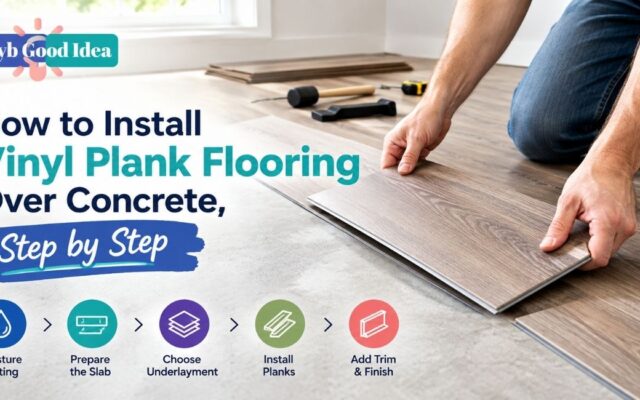
Concrete slabs need extra care. You should test moisture before you install. The guide to installing vinyl plank flooring over concrete walks through slab prep and common mistakes.
Engineered Hardwood Installation
Engineered wood can be floated, glued down, or stapled and nailed, depending on the product and the subfloor. Floating is simpler. Glue-down gives a solid feel and works well over concrete. Nail-down suits plywood subfloors.
Wood needs acclimation. Boxes should sit in the room for the time the maker recommends, often several days. The room should be at normal living temperature and humidity. Skipping this step is a common cause of gaps and cupping later.
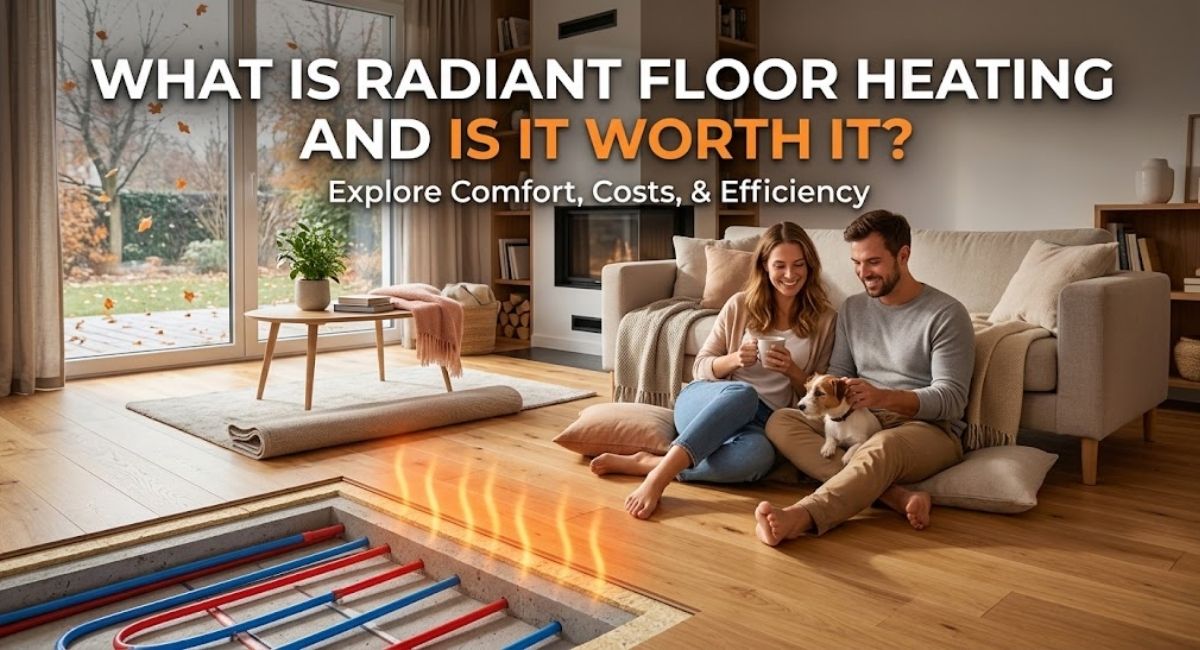
Radiant heat works with both floors, but with limits. Check the maximum surface temperature in the product guide. Wood is more sensitive to sudden temperature swings.
DIY or Professional?
LVP is among the easier floors to install yourself with basic tools. Engineered wood is possible for confident DIYers, particularly floating systems, but mistakes cost more. If you are unsure, pay for professional fitting. A bad install can void a warranty.
Comfort, Sound, and Feel
A floor looks great in photos. You live on it every day.
SPC feels firm and can be cold. WPC feels softer and warmer. Engineered wood feels solid and natural. All three improve with a good underlay and a rug in key zones.
Sound is another point. Hard floors echo. Thin vinyl with no pad can sound hollow. Engineered wood tends to sound more solid but can still click under heels. Look for planks with attached underlay, and check the impact sound rating if you live in an apartment. Many flats in the UK have lease rules about floor sound, so check yours before you buy.
Maintenance and Cleaning
Both floors are easy to keep clean.
For vinyl plank, sweep or vacuum, then damp mop with a pH neutral cleaner. Avoid steam mops, which can force heat and moisture into the seams. Avoid abrasive pads and wax.
For engineered hardwood, sweep or vacuum with a soft brush head. Use a cleaner made for wood floors. Use a barely damp mop. Never flood the surface. Wipe spills fast.
Both floors benefit from walk-off mats at doors, felt pads under furniture, and sunlight control. Strong sun can fade wood and some vinyl prints over time.
Environmental and Health Notes
Vinyl plank is made from plastic. Some people prefer to avoid PVC. Look for products with low VOC emissions and certifications such as FloorScore, which tests indoor air quality. Engineered wood uses adhesives in its core. Look for low formaldehyde standards, such as CARB Phase 2 in the USA and E1 in Europe.
Wood is a renewable material, and a floor that lasts decades has a long life of use. Vinyl is harder to recycle. If sustainability matters to you, check for responsibly sourced wood certifications and take-back programs. The post on eco-friendly materials for modern home renovations covers more options.
Room-by-Room Verdict
Use this table as a quick guide. It assumes mid-range products of each type.
| Room | Choose Vinyl Plank If | Choose Engineered Hardwood If |
| Kitchen | You have kids, a leaky history, or want worry-free cleanup | You want a continuous wood look and will wipe spills quickly |
| Bathroom | Always, for full baths and wet rooms | Only for a powder room with no shower |
| Basement | You have any damp risk or a concrete slab | The slab tests dry, and you use a proper moisture barrier |
| Living room | Budget is tight or traffic is heavy | You want a premium feel and a floor you can refinish |
| Bedroom | You want a soft, warm, quiet floor with WPC | You want natural wood and the best resale appeal |
| Hallway and entry | You have muddy shoes, pets, or heavy foot traffic | You choose a hard species and use mats |
| Laundry or mudroom | Always, because water and wet gear are common | Not recommended |
| Home with dogs | You want the lowest stress option | You pick a hard species, matte finish, and accept wear |
| Rental or flip | You want speed, low cost, and easy replacement | You are selling at the high end and want a wood feature |
How to Choose: A Simple Decision Path
Run through these questions in order.
- Is the room likely to get wet? If yes, pick vinyl plank.
- Is your budget under about $8 per square foot installed, or £55 per square metre fitted? If yes, vinyl plank is the practical choice.
- Do you plan to stay ten years or more and want a floor you can sand? If yes, lean toward engineered hardwood with a veneer of 3 mm or more.
- Are you selling within five years? Focus on condition, cost, and local buyer taste. Either floor works if it is clean and well installed.
- Do you have large dogs or heavy traffic? Lean toward vinyl, or a very hard wood with a matte finish.
If you are still stuck, bring in a third option. Laminate sits between the two on price and look. The comparison of laminate vs vinyl vs LVP flooring lays out how all three differ.
Common Mistakes to Avoid
Buyers often make the same errors. Avoid these:
Picking by total thickness instead of wear layer or veneer thickness. Skipping the subfloor check. Ignoring humidity in wood floors. Buying exactly the room size with no wastage. Choosing a glossy finish that shows every mark. Trusting a waterproof label without checking seam design and warranty. Forgetting expansion gaps at the walls.
Most flooring problems trace back to prep, not the plank itself.
Answer To Commonly Asked Questions
Which is better, vinyl plank or engineered hardwood?
It depends on the room and your priorities. Vinyl plank is better for water, pets, and budget. Engineered hardwood is better for refinishing, natural beauty, and resale feel.
Is vinyl plank cheaper than engineered hardwood?
In most cases, yes. Both the material and the installation usually cost less. The gap is smaller when you compare premium LVP with entry-level engineered wood.
Can you put engineered hardwood in a kitchen?
Yes, many people do. Take care with spills, appliance leaks, and humidity. Use a quality finish, and check the warranty for kitchen use.
Does vinyl plank increase home value?
It can help a home feel updated, especially in kitchens and baths. It rarely adds as much perceived value as real wood. Condition and local market taste matter most.
How many times can engineered hardwood be refinished?
It depends on the veneer. Thin veneers may allow none or one. Thick veneers of 5 to 6 mm may allow two or three. Ask the maker for the exact number.
Which floor is better for dogs?
Vinyl plank with a thick wear layer is usually easier. Engineered hardwood can work with a hard species and a matte finish, but it will show wear sooner.
Is LVP waterproof?
The planks themselves are waterproof in rigid core products. The seams and subfloor can still be affected by standing water, so wipe up large spills quickly.
Final Takeaway
Vinyl plank and engineered hardwood are both good floors. They solve different problems.
Pick vinyl plank when water, pets, and cost sit at the top of your list. Pick engineered hardwood when real wood, refinishing, and resale feel matter more. In many homes, the best answer is a mix: vinyl in the wet and rough rooms, wood in the living and sleeping spaces, with smooth transitions between them.
Before you buy, check three numbers: wear layer in mil for vinyl, veneer thickness in mm for wood, and the warranty for your room type. Order samples. Test them at home. Scratch them, spill on them, and look at them in your own light.
Ready to plan your floor? Visit BYB Good Idea for more home flooring guides, budgets, and DIY tips written to help you decide with confidence.