

Someone drops a pot of pasta water. A dog skids across the room with wet paws. A glass slips from your hand and hits the floor. In a kitchen, the floor takes more punishment in a week than a bedroom floor takes in a year.
That is why kitchen flooring is a harder choice than it looks. The floor must resist water and stains. It must survive dropped pans and chair legs. It should feel decent under your feet during a long cooking session. And it has to fit your budget, because kitchens often need more material than you expect.
No single floor wins every test. Porcelain tile shrugs off water but feels hard. Cork feels soft but dents. Luxury vinyl plank is forgiving, but not every product looks as good up close as it does online. The right answer depends on your household, your subfloor, and how you cook.
This guide compares seven popular options side by side. Each one is rated on water resistance, comfort underfoot, scratch resistance and cost, followed by a one-line verdict on who it suits best. You will also see how these floors handle pets, spills, small spaces and tired feet. By the end, you can narrow seven choices down to one or two and go shopping with confidence.
How These Kitchen Floors Were Rated
A fair comparison needs clear rules. Every floor below is scored from 1 to 5 on four points. A higher score is always better, so a 5 for cost means the floor is among the cheapest.
The four ratings
Water resistance. This covers spills, steam, a leaking dishwasher, and a mopped floor. It looks at both the surface and the seams. A floor can have a waterproof top layer and still fail at the joints.
Comfort underfoot. This looks at cushioning and warmth. If you stand at the counter for an hour, you feel the difference. A hard floor also tends to break more dropped dishes.
Scratch resistance. This covers claws, chair legs, grit and dropped pans. It also covers how visible damage is once it happens.
Cost. This combines the price of the material and the typical cost of installation. Prices vary by region, brand and room size, so treat the scores as relative, not exact.
What the scores are based on
The ratings reflect how each material is built and how manufacturers, installers and trade bodies describe it in normal use. They are not lab tests. Products within one category vary a lot. A thick, well-made vinyl plank beats a thin one, and a premium tile outlasts a bargain tile. Always check the warranty and the wear layer or finish before you buy. Where your own conditions are unusual, such as a basement kitchen or radiant heating, check the manufacturer’s installation guide first.
Kitchen Flooring Comparison at a Glance
Here is the full comparison. Scores run from 1 (weak) to 5 (strong). Cost 5 means lowest cost.
| Floor | Water | Comfort | Scratch | Cost | Best for |
|---|---|---|---|---|---|
| Luxury vinyl plank | 5 | 3 | 4 | 3 | Busy families who want a waterproof, realistic wood look |
| Porcelain tile | 5 | 1 | 5 | 2 | Wet kitchens and owners who want a floor that lasts decades |
| Engineered hardwood | 2 | 3 | 3 | 2 | Open-plan homes where the kitchen should match the living area |
| Sheet vinyl | 5 | 4 | 2 | 5 | Tight budgets and rentals, with almost no seams to leak |
| Water-resistant laminate | 3 | 3 | 4 | 4 | Dry, low-spill kitchens where cost matters |
| Cork | 3 | 5 | 2 | 3 | Cooks who stand a lot and want a warm, quiet floor |
| Polished concrete | 4 | 1 | 4 | 2 | Modern kitchens on a slab, with a sealed, industrial look |
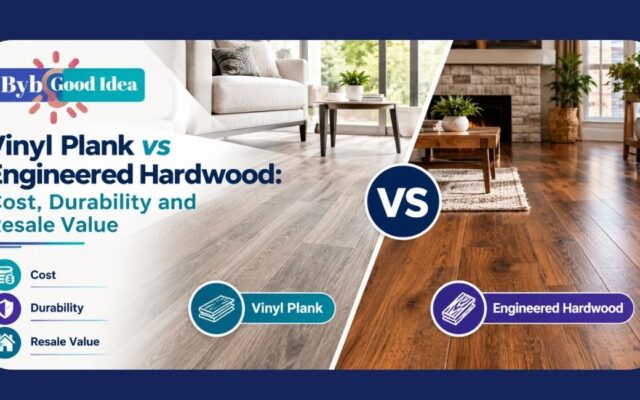
The table shows the trade-offs clearly. Porcelain and sheet vinyl lead on water. Cork leads on comfort. Porcelain leads on scratch resistance. Sheet vinyl leads on cost.
The sections below explain each score, so you can see why it earned it and where the weak points are.
1. Luxury Vinyl Plank (LVP)
Ratings: Water 5, Comfort 3, Scratch 4, Cost 3
Best for: families who want waterproof flooring with a convincing wood look.
Luxury vinyl plank, often shortened to LVP, is the most popular answer to the question of the best kitchen flooring today. It is a layered product. A rigid or flexible core sits under a printed image layer and a clear wear layer. The wear layer takes the abuse, and its thickness is measured in mils.
Why it works in a kitchen
The core of most LVP does not swell when wet. That makes it a strong choice for a kitchen that gets wet, whether from a sink splash or a leaking fridge line. Spills sit on the surface until you wipe them up. The planks lock together or glue down, and good installations keep water out of the seams.
LVP is also quieter and a little warmer than tile. Rigid core versions with an attached pad feel firm but not cold. If you want a closer look at how LVP compares with laminate and standard vinyl tile, this breakdown of laminate vs vinyl vs LVP flooring lays out the differences in construction.
Where it falls short
LVP can dent under a heavy, narrow load, such as a fridge leg or a stove foot. It can also fade in strong sun. Cheap planks have thin wear layers and show scratches fast. For a busy kitchen, look for a wear layer of 12 mil or more, and a warranty that covers residential use for at least 15 years.
It is not heat proof. A hot pan dropped on the floor can leave a mark. Spilled oil is easy to clean, but sharp tools can cut the surface.
Real-life scenario
A family with two kids and a labrador picks a rigid core LVP in a mid-tone oak shade. Six years later, the floor shows light surface scuffs near the back door and nothing else. A mid-tone colour hides crumbs and dog hair better than very light or very dark options.
Verdict
LVP gives the best balance of water protection, price and looks for most households. Choose a thicker wear layer, and let the subfloor be flat.
2. Porcelain Tile
Ratings: Water 5, Comfort 1, Scratch 5, Cost 2
Best for: wet kitchens and owners who want a floor that can last for decades.
Porcelain tile is made from dense clay fired at very high heat. The result is a hard, low-porosity surface that barely absorbs water. It is one of the most durable kitchen flooring choices you can buy. It resists stains, heat, and scratches from pet claws.
Strengths in the kitchen
Water is not a problem for porcelain itself. Spills, steam, and mopping do nothing to the tile. A dropped hot pan will not mark it. Dogs cannot scratch it. Many designs now copy wood, stone and concrete, so you can get the look you want without the weak points of those materials. For more on that approach, see these ideas for tile flooring that looks like wood.
Tile also works well with radiant heating, because it conducts heat well and holds it. That helps offset its cold feel.
The grout lines problem
Grout lines are the one real weakness. Cement-based grout is porous. It stains from wine, oil and coffee, and it traps dirt. Sealing it helps, but the sealer needs renewing every year or two. Epoxy grout resists stains much better. It costs more and is harder to work with, so it suits a skilled installer.
You can reduce the issue. Choose large-format tiles, such as 24 by 24 inches, to cut the number of joints. Pick a grout colour close to the tile, since a mid-grey or a tone-on-tone shade hides marks. Use a narrow joint, but follow the tile maker’s minimum, because rectified tiles need smaller gaps than standard ones.
The Tile Council of North America publishes widely used installation standards, and a good installer will follow them. Their site, tcnatile.com, explains the guidelines that apply to subfloor stiffness and flatness.
Where it falls short
Porcelain is hard and cold. Dropped glasses and plates break. Long cooking sessions tire the legs and back. A good anti-fatigue mat fixes part of that. Installation is also more demanding than other floors. The subfloor must be stiff and flat, and mistakes show up as cracked tile or uneven edges. Labour often costs more than the tile itself.
Verdict
Porcelain is the toughest all-round option, and the best pick for a kitchen that sees water, heat and heavy use. Be ready to accept a harder surface and a higher installed price.
3. Engineered Hardwood
Ratings: Water 2, Comfort 3, Scratch 3, Cost 2
Best for: open-plan homes where the kitchen floor should match the living area.
Engineered hardwood has a real wood veneer on top of a plywood or fibreboard core. The layers resist movement better than solid planks. That makes engineered wood more stable than solid hardwood when humidity changes, which matters in a room with a kettle, a dishwasher and a stove.
Strengths in the kitchen
It looks and feels like real wood, because it is. A thick veneer can be sanded and refinished once or twice, which extends its life. It adds warmth to a room and often lifts resale appeal. Many people use one continuous floor from the kitchen into the living room, and engineered boards make that easier than solid planks.
If you want a deeper look at the species, finishes and installation points for wood in this room, the guide on wood floors in the kitchen covers it in detail. This section keeps to the comparison.
Where it falls short
Water is the issue. A top coat of finish slows moisture, but it does not make wood waterproof. Water sitting at the seams for hours can cause cupping, staining and gaps. A leaking dishwasher can ruin a section. Wipe up spills promptly, and place a mat at the sink.
It also dents more easily than tile or vinyl. A dropped pan can leave a mark. Dog claws can scratch the finish, though harder species such as oak and hickory hold up better than softer woods. Matte or wire-brushed finishes hide scratches better than glossy ones.
Cost is higher than vinyl or laminate. Prices climb with veneer thickness and species.
Real-life scenario
A couple renovates an open kitchen and dining room. They choose a wire-brushed white oak engineered board with a 4 mm veneer. Four years in, a few light dents show near the stove. The floor still looks consistent from room to room, and a refinish is possible if they ever want to change the colour.
Verdict
Engineered hardwood is a good choice if you love real wood and run a careful kitchen. It is not the first pick for households with heavy spills, a pet that drinks messily, or a history of leaks.
4. Sheet Vinyl
Ratings: Water 5, Comfort 4, Scratch 2, Cost 5
Best for: tight budgets and rentals, with almost no seams to leak.
Sheet vinyl comes in large rolls, usually six or twelve feet wide. Many kitchens can be covered with a single piece or with one seam. Fewer seams means fewer places for water to reach the subfloor. That is a real advantage next to the sink and dishwasher.
Strengths in the kitchen
It is the cheapest of the seven options and one of the easiest to clean. The surface is soft and slightly cushioned, so it feels kinder underfoot than tile or concrete. Dropped plates have a better chance of surviving. Modern patterns are far better than the dated versions many people remember. Wood, stone and tile prints look convincing from standing height.
A professional installation with a heat-welded or well-sealed seam gives a watertight surface. For a full guide to the product, thickness grades and installation options, see this page on sheet vinyl flooring.
Where it falls short
Scratch resistance is the weak point. Sharp objects can cut or gouge the surface. Dragging an appliance can tear it. Heavy furniture and appliance feet leave dents, so use protective pads. A thin product may fade or yellow near a window, and it may show every bump in the subfloor underneath. That last point matters. Sheet vinyl follows the floor beneath it, so any ridge or screw head will show through.
It also has less resale appeal than tile or wood. Buyers often see it as a budget finish.
Real-life scenario
A landlord replaces tired tile in a rental kitchen with a thick, commercial-grade sheet vinyl in a grey stone pattern. The job takes a day. Because the roll covers the room in one piece, there is no seam near the sink. Two tenancies later, the floor still looks fresh and needs only a damp mop.
Verdict
Sheet vinyl is the best budget floor for a wet kitchen. Choose a thicker grade with a strong wear layer, and prepare the subfloor well.
5. Water-Resistant Laminate
Ratings: Water 3, Comfort 3, Scratch 4, Cost 4
Best for: dry, low-spill kitchens where cost matters.
Laminate has a photographic layer sealed under a hard, clear coating, over a fibreboard core. Standard laminate fears water. Water-resistant versions use sealed edges, tighter locking joints, and treated cores to slow moisture. They do not make the floor waterproof. The label matters, so read what it promises.
Strengths in the kitchen
The hard top layer resists scratches very well. It stands up to chair legs, dropped utensils and pet claws better than vinyl or cork. The look is crisp, and the price is lower than engineered wood or tile. Installation is simple, since most boards click together and float over an underlayment. A DIY owner can finish a medium kitchen in a weekend.
The floor is also stable in normal temperatures, and it usually sounds better underfoot than cheap vinyl when installed with a good pad.
Where it falls short
The core is the problem. Once water gets into the fibreboard, the edges swell and do not return to shape. The manufacturer may claim a certain number of hours of protection at the surface and seams, but that is a short window. A slow leak under the dishwasher or fridge can cause damage that you cannot see until the boards lift.
Ask the maker how long the floor holds up against standing water. Check what the warranty says about kitchens. Some brands exclude them, or limit coverage for water damage.
Laminate sounds hollow if the underlayment is poor. It cannot be refinished, so a deep gouge means replacing planks. Cheap products can chip at the edges.
Real-life scenario
A single person with a small galley kitchen and no pets installs a water-resistant laminate in a light oak finish. They wipe spills quickly, and use a rug at the sink. The floor looks good five years later. A neighbour with a similar floor and a leaking supply hose lost two rows of planks after a slow drip went unnoticed for weeks. The difference was the leak, not the product.
Verdict
Water-resistant laminate suits a careful household on a budget. If your kitchen gets wet often, move up to LVP or sheet vinyl.
6. Cork
Ratings: Water 3, Comfort 5, Scratch 2, Cost 3
Best for: cooks who stand for long periods and want a warm, quiet floor.
Cork flooring is made from the bark of the cork oak tree. The bark is harvested without felling the tree, so the material is renewable. Tiny air cells inside the cork give it a springy feel. Planks or tiles are sealed with a polyurethane finish, and that finish is what protects the floor in a kitchen.
Strengths in the kitchen
Cork is the most comfortable floor on this list. It feels warm, cushions steps, and reduces noise. Dropped glasses have a good chance of surviving. It also resists mould and mildew naturally, which helps in a damp room. The material is a natural insulator, so the floor does not feel icy on winter mornings.
For homeowners who like eco-friendly options, cork fits well. If that matters to you, this overview of eco-friendly materials for modern home renovations shows how it compares with other sustainable choices.
Where it falls short
The sealed top layer does the work, so a worn or damaged finish lets water in. Click-lock cork planks have seams that need care. Glue-down tiles with sealed joints perform better in wet areas. Cork can swell if left under standing water.
It also dents under heavy furniture, and scratches show on soft grades. Sunlight can fade it unevenly. Over time, the finish wears and needs to be reapplied, usually every few years in a busy kitchen. Pet claws can mark it, though a good finish helps.
Real-life scenario
A home baker who spends hours at the counter picks cork tiles in a medium brown. The floor is easy on the feet and quiet when family members walk through. She adds felt pads to chair legs, keeps a rug at the sink, and recoats the finish every few years. The floor holds up well.
Verdict
Cork is the best pick for comfort. Accept that it needs more care than vinyl or tile, and that it suits households without large dogs.
7. Polished Concrete
Ratings: Water 4, Comfort 1, Scratch 4, Cost 2
Best for: modern kitchens on a slab, with a sealed, industrial look.
Polished concrete is a concrete slab that has been ground with diamond tools, densified, and sealed. The process creates a smooth, hard surface with a soft sheen. It works best when the slab is already in place, such as in a ground-floor extension, a loft or a basement. Pouring a new slab only for a kitchen floor is rarely cost effective.
Strengths in the kitchen
A sealed slab handles spills well. Water beads on the surface for a time. The floor resists heat, and it does not scratch easily. It holds radiant heating well, and it can last for decades. The look is minimal and works with steel, timber and matte cabinets. If you are curious about the material itself, see this overview of a concrete floor and what it takes to finish one well.
There are no grout lines, no seams, and no planks to lift. Cleaning is simple. A damp mop and mild cleaner do the job.
Where it falls short
Concrete is hard, cold and loud. Standing on it for long periods tires the body. Dropped dishes will break. Without radiant heat, it feels cold in winter. Unsealed concrete stains with oil, wine and acidic liquids such as lemon juice and vinegar. The sealer needs regular upkeep, and hairline cracks can appear as a slab ages or settles.
It can also be costly. Grinding and polishing take skill and equipment, and prices vary widely by site. A slab with poor flatness or old adhesive adds work. A professional should assess the slab before you commit.
Real-life scenario
A couple builds a ground-floor extension with an underfloor heating loop in the slab. They choose a satin polished finish with a penetrating sealer. The floor feels warm in winter, looks clean in the open space, and shows only light wear after three years. They keep two thick rugs where they cook and wash up.
Verdict
Polished concrete is the best pick when you already have a slab and want a seamless, modern floor. It asks you to accept a hard, cold feel unless you add heating or rugs.
Which Kitchen Floor Fits Your Situation
The ratings help, but real homes are not average. Use these matches to narrow your choice.
Best flooring for a kitchen with dogs
Dogs bring claws, wet paws, water bowls and occasional accidents. Porcelain tile is the toughest option, because claws cannot scratch it. Luxury vinyl plank comes close, and it is quieter and less slippery. Pick a textured or matte finish, since glossy surfaces make dogs slide, which can strain joints. Avoid cork and soft sheet vinyl for large, active dogs. For a wider look at floors that handle paws and spills across the whole house, read this guide to the best flooring options for homes with pets.
Best flooring for a kitchen that gets wet
If the sink splashes, the dishwasher leaks, or the room opens to a patio, choose a floor that tolerates standing water. Porcelain tile, LVP and sheet vinyl all rate 5 for water. Sheet vinyl has the fewest seams. Porcelain has the most durable surface, but grout needs sealing. LVP sits in the middle. Avoid engineered hardwood and standard laminate if leaks are a risk.
Most durable kitchen flooring
Porcelain tile wins on pure toughness. It resists scratches, heat, stains and moisture, and it can outlast the cabinets above it. Polished concrete comes next. Thick LVP is the most durable of the soft floors. Cork and thin sheet vinyl wear faster.
Kitchen flooring that is easy on the feet
Cork is the clear winner, followed by sheet vinyl and LVP with an attached pad. Hard floors such as tile and concrete can still work if you add anti-fatigue mats where you stand most. Radiant heat under tile also helps your feet, though it does not soften the surface.
Kitchen flooring ideas for small kitchens
A small kitchen needs few cuts and clean sight lines. Large-format porcelain tile makes a small room feel bigger, because the joints are fewer. LVP planks laid along the longest wall draw the eye through the room. A single roll of sheet vinyl covers a compact space with no seams at all. Stick with a light to mid tone, and run the same floor into the next room if the layout is open. Small rooms also cost less to floor, so a pricier material like tile or engineered wood becomes easier to afford.
Cost, Subfloor and Installation Notes
A floor is only as good as the work under it. Many kitchen floor failures come from poor prep, not poor material.
Approximate cost ranges
The figures below are rough US installed prices per square foot. They change with region, brand and labour rates, and UK prices will differ, so ask local installers for written quotes. Treat them as a way to compare options, not as a budget.
| Floor | Approx. installed cost per sq ft (USD) | DIY friendly? |
|---|---|---|
| Sheet vinyl | $2 to $6 | Fair. Cutting one large sheet takes care. |
| Water-resistant laminate | $3 to $8 | Yes. Click-lock boards float. |
| Luxury vinyl plank | $4 to $10 | Yes. Click-lock or glue-down. |
| Cork | $5 to $12 | Fair. Sealing joints takes patience. |
| Polished concrete | $3 to $12 on an existing slab | No. Needs specialist equipment. |
| Engineered hardwood | $8 to $18 | Fair. Glue-down is harder than floating. |
| Porcelain tile | $8 to $20 | Hard. Flatness and grout work are skilled jobs. |
A kitchen has cabinets, so you usually pay for fewer square feet than the room size suggests. Ask installers whether they price under the cabinets or only the visible area. Also ask about demolition, disposal, transitions, and moving appliances. Those extras add up.
Check the subfloor first
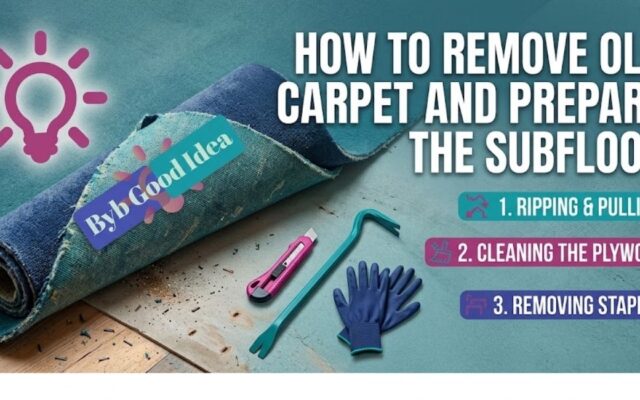
Every option needs a flat, dry, firm base. Tile needs the stiffest base, and sheet vinyl needs the smoothest. Check for soft spots, squeaks, moisture and old adhesive. If you are starting from carpet, this guide on how to remove old carpet and prepare the subfloor walks through the steps.
On a concrete slab, test for moisture before you install anything. Vinyl and wood both fail when moisture rises through the slab.
Plan around cabinets and appliances
Run tile, vinyl and glue-down floors under the dishwasher and fridge, so a future appliance swap does not leave a gap. Floating floors should not run under fixed cabinets, because they need room to move. Glue-down and tile floors can go right up to the cabinet base. Leave a small expansion gap where the maker requires it, and cover it with trim.
Finally, protect the floor during the install. Keep delivery crews off finished areas, and use pads under appliance feet.
Quick Answers About Kitchen Flooring
What is the best flooring for a kitchen overall?
For most homes, luxury vinyl plank offers the best balance of water protection, comfort, looks and price. Porcelain tile is the better choice if durability matters most and you can accept a hard surface and a higher installed cost.
Is waterproof kitchen flooring really waterproof?
The surface of LVP, porcelain and sheet vinyl does not absorb water. Seams, edges and the area where the floor meets walls are the weak points. Good installation and sealed joints matter as much as the product name on the box.
Can I put hardwood in a kitchen?
Yes, but with care. Engineered hardwood copes better than solid planks. Wipe up spills right away, place mats near the sink, and avoid it if leaks are likely. A refinish can restore the surface once the wear layer shows damage.
Which kitchen floor is best for tired legs and joints?
Cork is the softest and warmest option. Sheet vinyl and LVP with an attached pad come next. If you prefer tile or concrete, anti-fatigue mats and radiant heating make a real difference.
Is grout hard to keep clean?
Cement grout stains and needs regular sealing. Epoxy grout and large-format tiles reduce the work. A darker, mid-tone grout hides marks, and a damp mop keeps buildup in check.
How long should kitchen flooring last?
Life spans vary with product quality and use. Porcelain and polished concrete can last for decades. Good LVP and engineered wood often last 15 to 25 years. Sheet vinyl, laminate and cork usually need replacing sooner in a busy kitchen. Check the warranty for the exact terms.
Choosing Your Kitchen Floor With Confidence
Seven floors, four ratings, and one honest takeaway: there is no perfect kitchen floor, only the best match for your home. Porcelain tile and luxury vinyl plank cover the most ground for water, wear and looks. Sheet vinyl wins on price. Cork wins on comfort. Engineered hardwood and polished concrete suit homes with a clear design goal and a plan for their weak points.
Here is a simple way to decide.
- Write down your top two priorities, such as water, comfort, scratch resistance or cost.
- Match them to the table near the top of this guide and shortlist two floors.
- Order samples and test them at home with a coffee spill, a key scratch and a barefoot walk.
- Check the subfloor, the warranty and the installation method.
- Get at least two written quotes that list prep, removal and disposal.
If you want more ideas for the rest of the project, BYB Good Idea has practical guides on flooring, repairs and home upgrades. Pick one that fits your next step and start planning your kitchen.
Have a kitchen flooring question? Visit BYB Good Idea for more step-by-step home improvement guides, and tell us what you chose.