

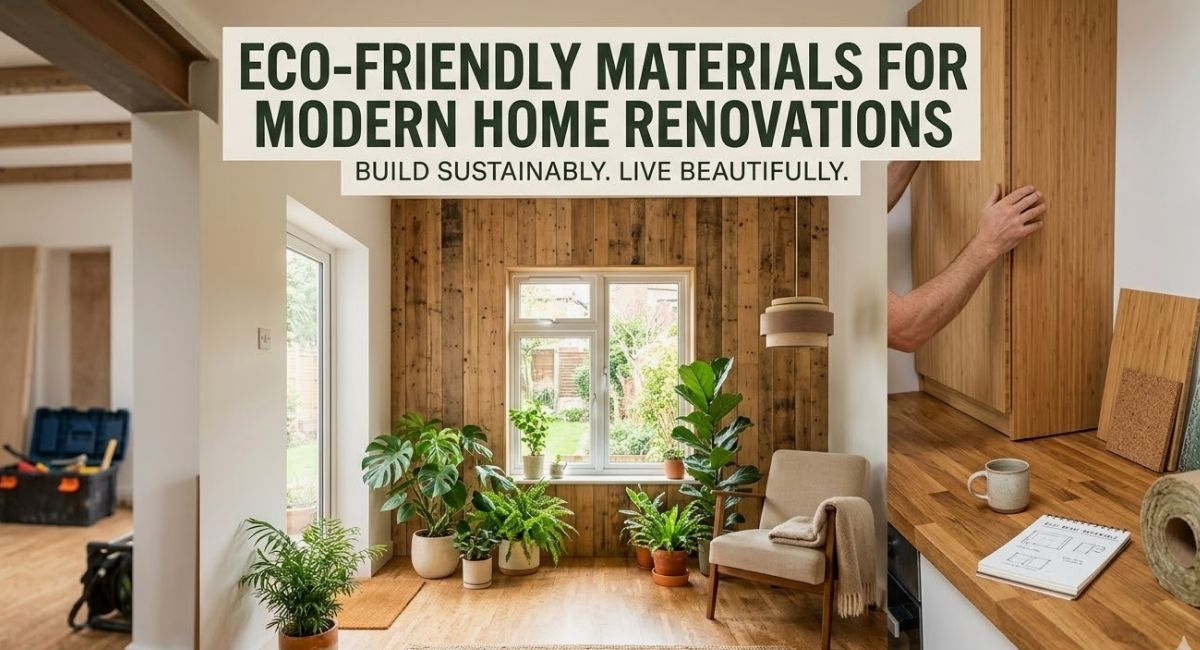
Modern home renovation is no longer only about fresh paint, new cabinets, or trendy finishes. Many homeowners now look for ways to improve their homes while also reducing their impact on the environment. Materials used in renovation projects can influence indoor air quality, energy use, long term maintenance costs, and the overall environmental footprint of a house.
Eco-friendly materials for modern home renovations help address these concerns. They are designed to reduce waste, lower emissions, and use resources responsibly. Some come from recycled sources, while others rely on rapidly renewable materials that grow back quickly. Many of them also perform better than traditional products in terms of durability and insulation.
Choosing sustainable materials does not mean sacrificing style or comfort. In fact, many modern eco-friendly options offer a natural look, improved durability, and healthier indoor living conditions. With thoughtful planning and the right choices, a renovation project can enhance both the home and the surrounding environment.
This guide looks closely at eco-friendly materials used in modern renovations. It explains how they work, why they matter, and where they can be used in different parts of a home.
Why Eco-Friendly Materials Matter in Modern Renovations
Traditional building materials often require large amounts of energy and natural resources during manufacturing. Many products also release chemicals that affect indoor air quality. Renovation projects that rely heavily on these materials can increase waste and environmental strain.
Eco-friendly renovation materials address these issues in several ways. They reduce waste through recycling, rely on renewable resources, and improve energy efficiency. Some also help create healthier indoor environments by avoiding harmful chemicals.
Homeowners benefit from these improvements in multiple ways:
• Lower energy consumption
• Reduced long term maintenance costs
• Improved indoor air quality
• Increased home value
• Reduced environmental impact
Sustainable materials also tend to last longer. Durability means fewer replacements and less waste over time. This long term perspective plays a big role in responsible home renovation.
Many homeowners who already enjoy hands on projects often combine sustainability with DIY improvements. Projects like furniture restoration or structural upgrades often integrate well with eco friendly renovation plans. For example, ideas discussed in this guide can complement creative upgrades like those in this resource:
DIY Furniture Upgrades That Add Value To Your Home
Reclaimed Wood and Salvaged Materials
Reclaimed wood has become one of the most popular eco-friendly materials in modern renovations. Instead of cutting new trees, builders reuse wood from old barns, factories, or demolished buildings.
This wood carries character that new lumber often lacks. Natural aging creates unique textures and tones that add warmth to interiors.
Common uses for reclaimed wood include:
• Flooring
• Ceiling beams
• Wall panels
• Custom shelving
• Furniture pieces
Reusing salvaged materials reduces landfill waste and preserves natural forests. It also prevents the environmental cost associated with manufacturing new lumber.
Homeowners often combine reclaimed wood with creative DIY ideas. For instance, old tools or leftover hardware from past projects can become decorative features in a workshop or garage. Repurposing materials not only saves resources but also adds personal style.
Another benefit of reclaimed wood is its durability. Older lumber often came from mature trees that grew slowly, making the wood denser and stronger than many modern varieties.
Before using reclaimed wood, it is important to check for pests, nails, and structural damage. Proper cleaning and treatment ensure that the material remains safe and long lasting.
Bamboo as a Renewable Building Material
Bamboo is widely known as one of the fastest growing plants in the world. Some species can grow several feet in a single day. Because of this rapid growth, bamboo is considered a highly renewable resource.
Bamboo flooring has become particularly popular in modern homes. It offers durability similar to hardwood while maintaining a natural appearance.
Advantages of bamboo include:
• Fast natural regeneration
• High strength and flexibility
• Attractive natural grain
• Suitable for flooring and cabinetry
• Lower environmental impact compared to hardwood
Bamboo is also resistant to moisture and insects when properly treated. This makes it suitable for kitchens and living spaces where durability matters.
In addition to flooring, bamboo can be used for wall panels, furniture, and decorative trim. Its light tone helps brighten rooms while maintaining a natural atmosphere.
Recycled Metal for Structural and Decorative Elements
Metal recycling plays a significant role in sustainable construction. Materials like aluminum and steel can be recycled many times without losing their strength.
Using recycled metal reduces mining activity and energy consumption. Manufacturing new aluminum requires far more energy than recycling existing metal.
Recycled metal can be used in several renovation elements:
• Roofing panels
• Structural beams
• Stair railings
• Light fixtures
• Kitchen backsplashes
Steel roofing, for example, can last several decades with minimal maintenance. Many recycled metal roofs also reflect sunlight, helping regulate indoor temperatures during hot seasons.
Recycled metals also work well in modern industrial style interiors. They provide a clean, strong look that pairs well with natural wood and stone.
Cork for Flooring and Wall Insulation
Cork is another natural material gaining attention in eco-friendly home renovation. It comes from the bark of cork oak trees, which can regenerate after harvesting. The tree remains alive and continues producing bark for future use.
Cork flooring offers several advantages that traditional materials may not provide.
Benefits of cork flooring include:
• Natural sound absorption
• Comfortable surface for walking
• Resistance to mold and mildew
• Renewable harvesting process
• Natural thermal insulation
Cork is also lightweight and flexible. This makes it easier to install in many renovation projects.
In addition to flooring, cork panels can serve as wall insulation or decorative surfaces. Some homeowners even use cork walls in home offices or craft rooms for pin boards.
Recycled Glass Surfaces
Glass recycling has opened the door to beautiful and environmentally responsible design materials. Recycled glass countertops and tiles are made by combining crushed glass with resins or cement.
The result is a colorful surface that reflects light and adds texture to kitchens and bathrooms.
Recycled glass can be used for:
• Kitchen countertops
• Bathroom vanities
• Mosaic wall tiles
• Decorative backsplashes
Because glass does not degrade during recycling, it can be reused repeatedly. This reduces the need for new raw materials.
Many recycled glass products also resist stains and scratches. With proper care, they can last for many years without losing their visual appeal.
Low VOC Paints and Finishes
Indoor air quality often becomes a concern during renovation projects. Many traditional paints release volatile organic compounds, commonly called VOCs. These chemicals can contribute to headaches, respiratory irritation, and indoor pollution.
Low VOC or zero VOC paints provide a safer alternative. They reduce the amount of harmful chemicals released into the air during and after application.
Benefits of low VOC products include:
• Improved indoor air quality
• Reduced chemical odors
• Safer for children and pets
• Better for long term indoor health
These paints are widely available today in a large range of colors and finishes. Many major paint manufacturers now offer eco-friendly product lines.
When planning a renovation, choosing low emission finishes helps create a healthier indoor environment for everyone living in the home.
Sustainable Insulation Materials
Insulation plays a major role in home energy efficiency. Better insulation reduces heating and cooling needs, which lowers energy bills and environmental impact.
Several eco-friendly insulation materials are now available.
Popular sustainable insulation options include:
• Recycled denim insulation
• Sheep wool insulation
• Cellulose insulation made from recycled paper
• Cork insulation panels
Recycled denim insulation is made from old cotton clothing. It performs well at blocking heat transfer and sound while remaining safe to handle.
Cellulose insulation uses shredded recycled paper treated for fire resistance. It fills wall cavities effectively and improves energy efficiency in both older and newer homes.
These alternatives provide strong performance while reducing waste that would otherwise end up in landfills.
Natural Stone and Locally Sourced Materials
Natural stone has been used in construction for centuries. When sourced responsibly, it can serve as a sustainable renovation material.
Locally sourced stone reduces transportation emissions. It also supports regional suppliers and keeps building materials connected to the local environment.
Stone works well in many renovation areas such as:
• Kitchen countertops
• Fireplaces
• Exterior walls
• Garden pathways
Because stone lasts for decades or even centuries, it requires very little replacement over time. Its durability makes it an environmentally responsible option when compared with materials that wear out quickly.
Eco-Friendly Flooring Alternatives
Flooring covers a large portion of the home, so choosing sustainable options can make a big difference in a renovation project.
Several eco-friendly flooring choices are widely available today.
Common options include:
• Bamboo flooring
• Cork flooring
• Reclaimed wood flooring
• Linoleum made from natural oils and resins
Linoleum is often confused with vinyl flooring, but it is made from natural materials like linseed oil, cork dust, and wood flour. It is biodegradable and long lasting.
When properly maintained, eco-friendly flooring can remain in good condition for decades. This reduces the need for frequent replacements.
Water Efficient Fixtures and Sustainable Materials
Eco-friendly renovation also involves improving water efficiency. Kitchens and bathrooms consume a large portion of household water.
Modern fixtures made from recycled metal often include water saving technology.
Examples include:
• Low flow faucets
• Dual flush toilets
• Efficient shower heads
While these fixtures may look similar to traditional ones, they are designed to use less water without reducing performance.
Combining these fixtures with sustainable materials in countertops and cabinetry creates a more environmentally responsible space.
Sustainable Outdoor Renovation Materials
Outdoor renovation projects also benefit from eco-friendly materials. Decks, patios, and garden structures often require durable materials that withstand weather.
Composite decking made from recycled wood fibers and plastics is one popular option. It reduces the need for new lumber and resists rot and insects.
Homeowners planning an outdoor renovation may combine these materials with budget friendly construction ideas. A helpful guide that explains practical outdoor building projects can be found here:
Budget-Friendly Outdoor Deck Ideas
Eco-friendly outdoor materials may include:
• Composite decking boards
• Reclaimed brick for patios
• Permeable pavers that allow rainwater drainage
• Recycled plastic outdoor furniture
These materials help reduce environmental impact while maintaining long term durability.
Smart Renovation Planning and Waste Reduction
Sustainability in renovation goes beyond materials. Planning plays an important role in reducing waste and improving efficiency.
Careful measurement prevents unnecessary material purchases. Donating or recycling leftover materials also keeps usable items out of landfills.
Some renovation professionals also focus on building connections with local contractors and community services. These relationships can help locate reclaimed materials or recycling centers. Practical networking advice for service professionals working in renovation related fields can be found here:
Best Networking Tips For Local Handyman Pros
Reducing construction waste can involve several steps:
• Reusing demolition materials when possible
• Recycling metal, glass, and wood
• Planning accurate material quantities
• Donating usable fixtures and appliances
These steps help reduce environmental impact and often save money during the renovation process.
Sustainable Storage and Space Efficiency
Eco-friendly renovation also considers how space is used. Efficient storage reduces clutter and allows homeowners to keep fewer unnecessary items.
Designing creative storage solutions often prevents the need for additional furniture or storage units. This approach reduces material consumption while improving home organization.
Ideas such as vertical shelving, hidden compartments, and multi purpose furniture can make small homes more efficient.
Thoughtful space planning supports sustainability because it reduces the demand for excess materials and furniture.
Long Term Benefits of Eco-Friendly Renovation
Sustainable renovation materials provide benefits that extend far beyond the initial construction phase.
Homeowners often experience improved comfort and lower maintenance requirements. Energy efficient insulation and materials reduce heating and cooling costs.
Environmental benefits include reduced waste, lower emissions, and responsible use of natural resources.
Many buyers also view eco-friendly homes as more valuable. Features such as sustainable flooring, low emission paints, and efficient insulation often attract buyers who prioritize healthy living environments.
Another advantage is durability. Many sustainable materials last longer than conventional alternatives. This reduces replacement costs and minimizes environmental waste over time.
Practical Tips for Choosing Eco-Friendly Renovation Materials
Selecting sustainable materials requires thoughtful research. Not all products labeled as green truly offer environmental benefits.
Homeowners should consider several factors when evaluating materials.
Key considerations include:
• Source of raw materials
• Manufacturing process
• Product lifespan
• Recyclability
• Indoor air quality impact
Certifications such as Forest Stewardship Council labeling for wood products can help identify responsibly sourced materials.
Local suppliers may also provide useful information about material origins and environmental standards.
Working with experienced contractors familiar with sustainable construction can also improve project results.
Final Thoughts
Eco-friendly materials for modern home renovations offer practical solutions for homeowners who want to improve their living spaces while reducing environmental impact.
From reclaimed wood and bamboo flooring to recycled glass surfaces and natural insulation, these materials combine durability with sustainability. They help reduce waste, lower energy use, and create healthier indoor environments.
Sustainable renovation does not require sacrificing style or comfort. Many eco-friendly materials provide natural beauty and long lasting performance that traditional materials struggle to match.
As more homeowners become aware of environmental responsibility, sustainable renovation continues to grow in popularity. Choosing thoughtful materials today helps create homes that remain comfortable, efficient, and environmentally responsible for many years.