
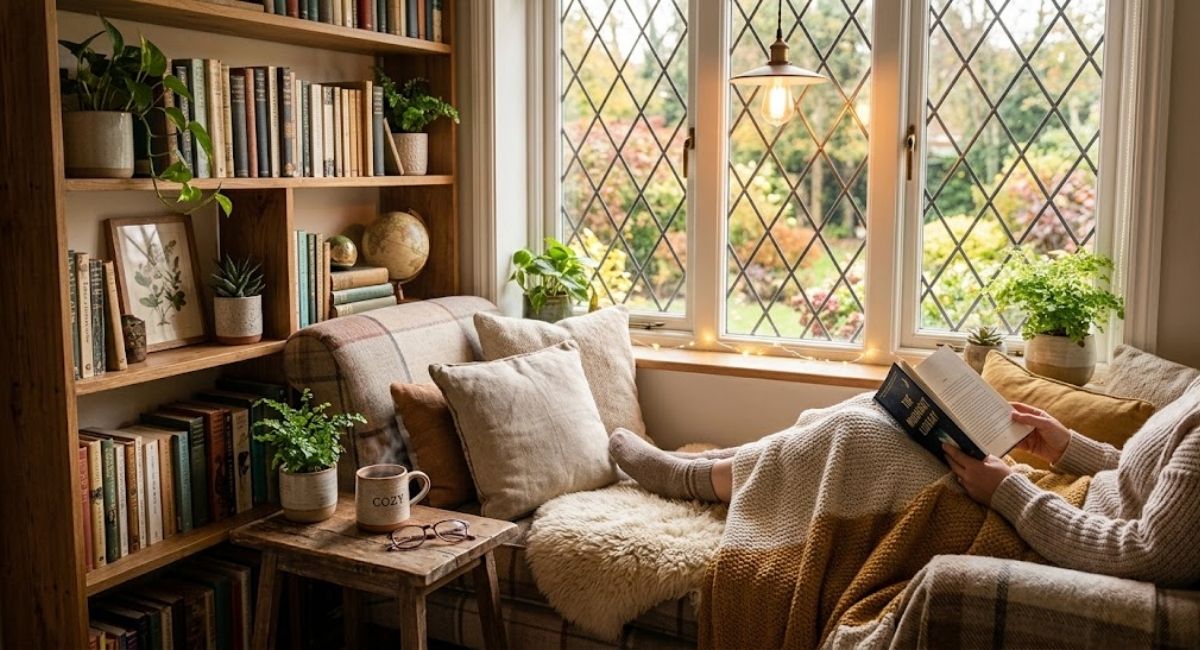
There is a specific kind of restlessness that comes from having a book you want to read and nowhere comfortable to actually read it. The sofa is taken by the television, the bed feels like it belongs to sleep, and the kitchen table is covered in mail. A lot of homes are missing one simple thing: a spot built specifically for sitting still.
A reading nook solves that problem without requiring a renovation or a spare room. Most of the diy reading nook ideas that actually work use furniture, cushions, and lighting you can source over a weekend, tucked into a corner, window, or awkward gap that was not doing much else. This guide walks through eight practical setups, along with the details that make the difference between a nook that gets used daily and one that becomes a place to pile laundry.
If you have ever wondered how to create a reading nook without hiring anyone or spending a big budget, the ideas below are built around exactly that constraint.
Why a Dedicated Reading Spot Actually Matters
A reading nook works because it removes decision fatigue. When there is one obvious, comfortable place to sit and read, you are far more likely to actually pick up a book instead of scrolling on a phone from the sofa out of sheer convenience. The physical act of moving to a specific spot also signals to your brain that this is reading time, not multitasking time, which is a small but genuinely useful psychological cue.
Space is rarely the real obstacle. Most reading nooks fit into a footprint smaller than a standard armchair, which means the limiting factor is usually decision paralysis rather than square footage. Picking one of the setups below and committing to it removes that hurdle.
8 DIY Reading Nook Ideas Worth Building
1. The Classic Window Seat
A window seat remains the gold standard for a reason: natural light, a view, and a built in sense of enclosure. If your window has a deep sill or a radiator cover beneath it, a simple platform topped with a cushion turns that dead space into seating. For a genuine DIY build, a plywood box sized to the window width, topped with foam and fabric, gets you most of the way there without needing custom carpentry skills.
2. The Floor Cushion Corner
For renters or anyone hesitant to commit to built in furniture, a corner filled with floor cushions and a low side table creates an equally inviting spot with zero permanent changes. Layering two or three cushions of different heights against a wall gives your back genuine support, which is the detail that separates a comfortable floor nook from an uncomfortable one.
3. The Closet Conversion
An underused closet, especially one under stairs or in a spare corner, can become a surprisingly private reading spot once the door is removed or left open and a cushion, small light, and shelf are added. This is one of the more unusual but genuinely effective diy reading nook ideas, since the enclosed feeling many people find cozy is already built into the space.
4. The Bay Window Bench
Bay windows offer more usable width than a standard window seat, often enough for a proper bench with storage underneath. Building a simple frame from dimensional lumber, topped with a hinged lid, gives you seating and hidden book storage in the same footprint, which is especially useful in smaller homes.
5. The Hanging Chair Corner
A hanging or swing chair anchored from a ceiling joist adds a playful, slightly different feel compared with a static seat. This works particularly well in a corner with enough overhead clearance, and it frees up floor space compared with a full armchair, making it a good fit for smaller rooms.
6. The Bookshelf Alcove
Building a reading chair into a gap flanked by two bookshelves creates a natural sense of enclosure without adding walls. If you already have shelving on either side of an awkward space, sliding in a slim chair or bench between them, along with a small light, is often the fastest of all these ideas to put together.
7. The Attic or Loft Nook
Sloped ceilings in an attic or loft space are often left unused because standard furniture does not fit well underneath them. A low platform with cushions, sized specifically for the sloped area, turns that awkward height restriction into an asset, since it naturally suits a seated or reclined reading position rather than requiring you to stand.
8. The Outdoor Adjacent Nook
A reading spot positioned near a patio door or in a sunroom, with a comfortable chair and a small side table, takes advantage of natural light and a connection to the outdoors without actually being outside. Adding a layer of sheer curtain nearby also lets you soften harsh afternoon sun without blocking the view entirely.
Layered Lighting Makes or Breaks the Space
Reading requires more focused light than general room lighting provides, which is why a single overhead fixture is rarely enough on its own. A layered approach, combining natural daylight, a dedicated reading lamp positioned over the shoulder rather than in front of the face, and soft ambient light for evening use, covers reading needs across the full day.
A floor lamp with an adjustable arm or head is usually the most flexible option, since it can be angled precisely without needing to drill into a wall or ceiling. Our roundup of stylish wooden floor lamp options covers designs that pair well with a reading corner specifically.
Choosing Furniture That Actually Fits the Space
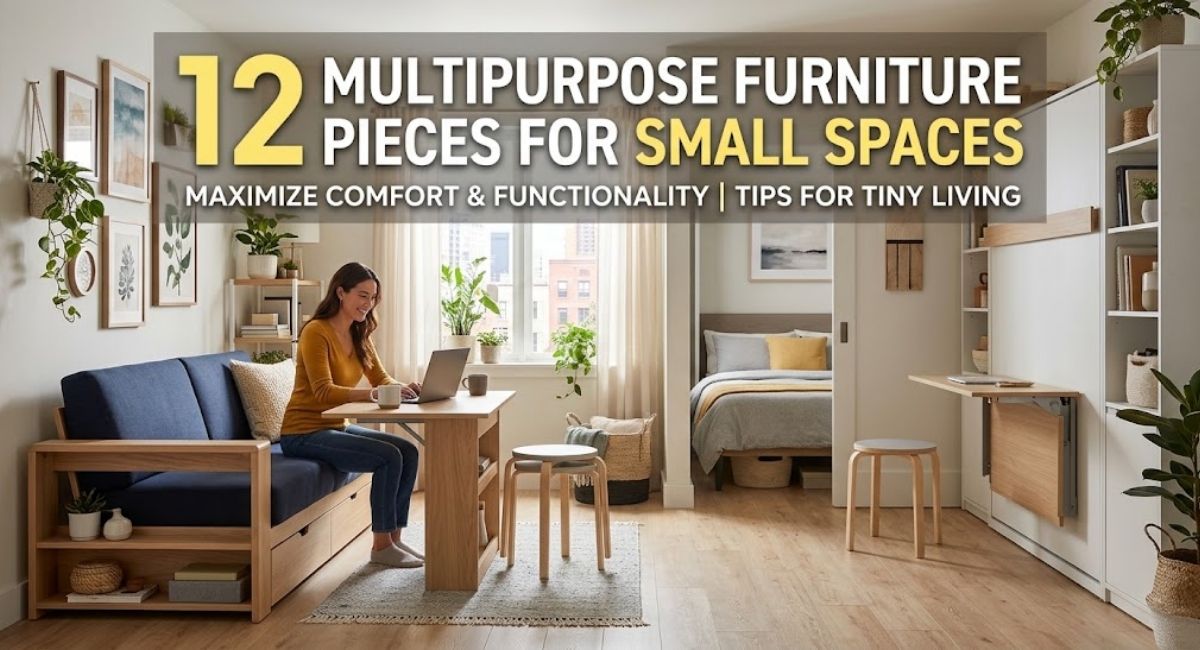
Measuring the actual footprint available, including clearance to walk past the nook, prevents the common mistake of buying a chair that technically fits but makes the corner feel cramped. If your reading nook needs to double as extra seating or storage, our guide to multipurpose furniture pieces for small spaces covers pieces designed specifically for exactly this kind of dual use.
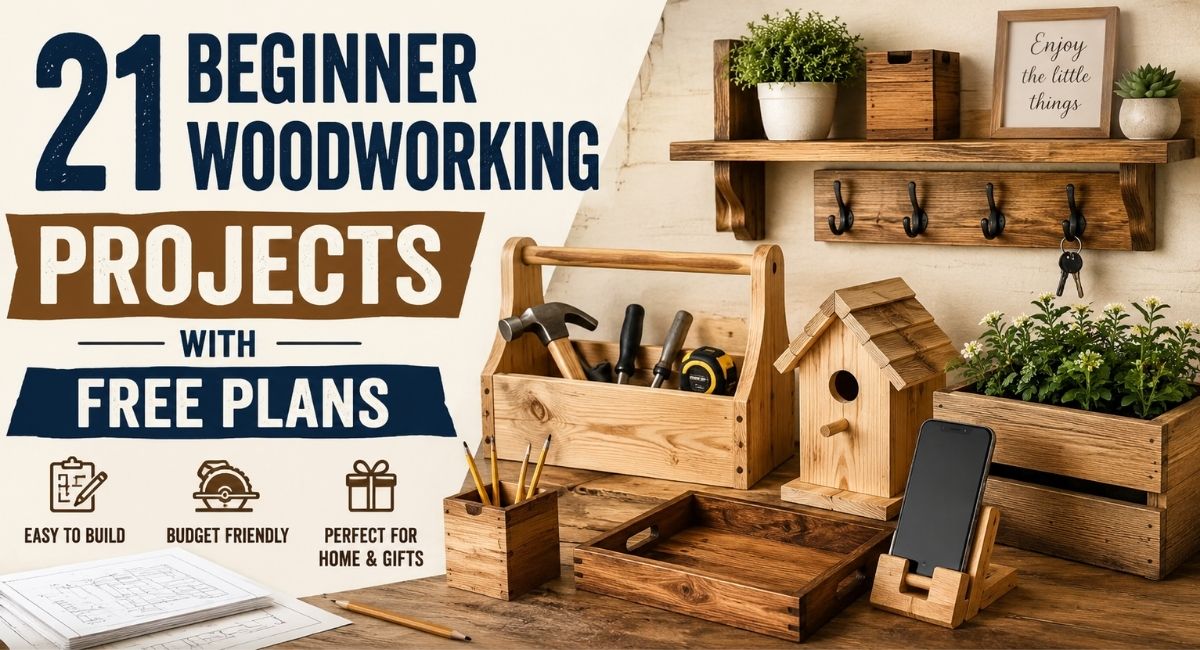
For anyone leaning toward a fully custom build rather than assembled furniture, our collection of beginner woodworking projects includes simpler builds that translate well to a window seat or bench frame, even for a first time DIYer.
Storage and Styling Details
A reading nook benefits from a small, dedicated storage solution nearby, whether that is a basket for current reads, a slim shelf, or a drawer built into a window seat base. Our guide to unconventional storage hacks for small living spaces has ideas that scale down nicely for a single corner rather than a full room.
On the styling side, a nook tends to feel more intentional with a few personal touches, whether that is a favourite handmade home decor piece or a small side table built from a simple DIY furniture upgrade. Checking current home decor trends can also help you choose a colour palette that fits the rest of your home rather than feeling like an isolated corner.
Budget Considerations for a Weekend Build
| Nook Type | Typical Weekend Budget | Skill Level |
| Floor cushion corner | Low | Beginner |
| Bookshelf alcove | Low to moderate | Beginner |
| Window seat platform | Moderate | Intermediate |
| Bay window bench with storage | Moderate to high | Intermediate |
| Hanging chair corner | Moderate | Intermediate, ceiling anchor required |
Common Mistakes to Avoid
- Choosing a chair that looks right but is too deep or too firm for extended sitting, which discourages actual use over time.
- Skipping a dedicated light source and relying only on the room’s main overhead fixture.
- Placing the nook somewhere with regular foot traffic, which undermines the sense of a quiet, separate spot.
Frequently Asked Questions
How much space do I need for a reading nook?
Many effective nooks fit into a space as small as three feet by three feet, particularly floor cushion or bookshelf alcove setups. A window seat typically needs a bit more width to feel comfortable rather than cramped.
What is the cheapest way to build a reading nook?
A floor cushion corner is usually the most affordable option, since it requires no carpentry and can be assembled from cushions, a throw, and a small side table you may already own.
Do I need natural light for a good reading nook?
Natural light helps but is not essential. A well positioned reading lamp with adjustable brightness can fully substitute for daylight, particularly for evening reading sessions.
Can I build a reading nook in a rented apartment?
Yes, non permanent options like floor cushion corners, freestanding shelving, or a chair paired with a floor lamp require no drilling or structural changes, making them well suited to rental restrictions.
What type of chair works best for a small reading nook?
A slim armchair or a slipper chair without bulky arms tends to fit small corners better than an oversized recliner, while still offering proper back support for longer reading sessions.
How do I keep a reading nook from becoming a clutter spot?
Adding a small basket or shelf specifically for current books and a blanket gives loose items an obvious home, which reduces the temptation to pile unrelated things onto the seat itself.
Final Thoughts
A reading nook does not need a spare room or a big budget. The setups that work best are usually the simplest: a comfortable seat, good light, and a spot set slightly apart from the rest of the household’s daily traffic. Pick the version that matches your space and skill level, and it is genuinely achievable in a single weekend.
At BYB Good Idea, we cover practical DIY projects that fit real weekends and real budgets. Take a look at the resources below for more ideas on furnishing and finishing your new reading corner.
Helpful resource: