
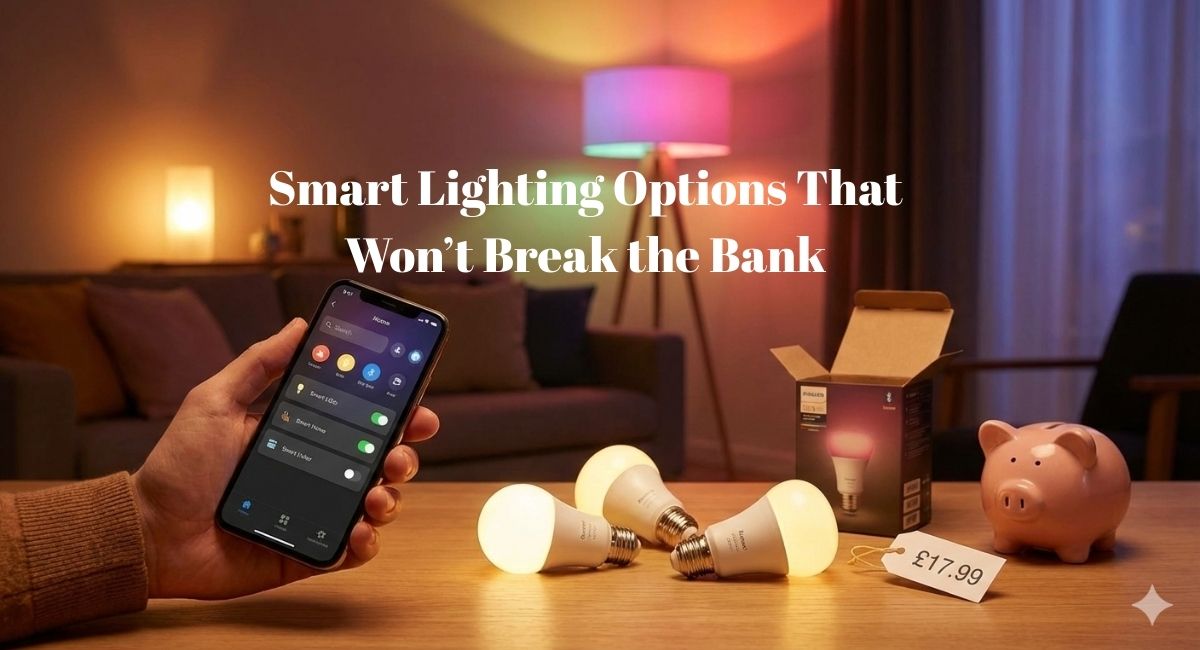
Lighting plays a significant role in creating a comfortable, functional, and visually appealing home environment. With advances in technology, smart lighting solutions are more accessible than ever, providing convenience and energy efficiency without a high price tag. This article explores practical, affordable smart lighting options, how to integrate them into your home, and guides you through choosing the best options for different needs.
Understanding Smart Lighting
Smart lighting refers to lighting systems that can be controlled remotely through apps, voice assistants, or automated schedules. These systems can adjust brightness, color temperature, and even color, creating an atmosphere that suits your lifestyle. While premium smart lighting setups can be expensive, numerous options combine affordability with functionality, making smart lighting accessible to everyone.
Affordable Smart Lighting Options
When looking for cheap smart lights, consider the following categories:
Smart Bulbs
Smart bulbs are the easiest entry point into smart lighting. They can replace standard bulbs and connect to Wi-Fi or smart home hubs. Many smart bulbs offer dimming, color changes, and scheduling features.
Benefits of Smart Bulbs:
- Easy installation: Screw into existing fixtures
- App control: Adjust brightness and color remotely
- Energy-efficient: Most LED-based smart bulbs consume less power than traditional bulbs
- Integrations: Compatible with Amazon Alexa, Google Assistant, and Apple HomeKit
Popular Options:
| Brand | Approx. Price | Features | Connectivity |
| Wyze Bulb | $8 | Adjustable brightness, white color | Wi-Fi |
| TP-Link Kasa | $15 | Color changing, schedules | Wi-Fi |
| Sengled Smart LED | $12 | Dimmable, voice control | Zigbee |
Smart Light Strips
Smart light strips are flexible, adhesive LED strips that can be installed under cabinets, along shelves, or behind TVs to create ambient lighting.
Benefits of Light Strips:
- Customizable lengths
- Multi-color options
- Scene creation for movies or parties
- Affordable entry price
Smart Plugs and Switches
Smart plugs and switches allow you to control existing lighting without replacing bulbs. They offer scheduling, remote control, and integration with other smart home devices.
Benefits:
- Convert regular lamps into smart lights
- Set timers or automate lighting scenes
- Cost-effective compared to replacing all bulbs
Choosing the Right Smart Lighting
When selecting smart lighting for your home, consider the following factors:
- Compatibility: Ensure the devices work with your current smart home ecosystem, whether it is Alexa, Google Home, or Apple HomeKit.
- Connectivity: Decide between Wi-Fi, Zigbee, or Z-Wave options. Wi-Fi is straightforward but may congest your network, while Zigbee and Z-Wave require a hub but offer better stability.
- Features vs. Budget: Determine which features you need, such as color change, dimming, or automation, and select products that offer the best value within your budget.
- Installation: Consider how easy it is to install the device. Bulbs and plugs are plug-and-play, while switches and hubs may need more setup.
Creative Smart Home Lighting Ideas
There are many ways to enhance your home using smart lighting without spending a fortune.
Accent Lighting
Use light strips or bulbs to highlight artwork, shelves, or architectural features. This creates a focal point and enhances the ambiance.
Task Lighting
Smart lighting in workspaces or kitchens can improve productivity. Adjustable brightness ensures the right level of light for cooking, reading, or working.
Mood Lighting
Smart bulbs with color-changing capabilities allow you to create different moods for various activities, from relaxing evenings to vibrant gatherings.
Energy Saving Tips
Smart lighting is not only convenient but also helps save energy. Here are some ways to maximize savings:
- Use scheduling to turn off lights when not in use
- Employ motion sensors for high-traffic areas
- Dim lights during non-peak hours
- Replace incandescent bulbs with energy-efficient LEDs
Integration with Other Smart Devices
Smart lighting works best when integrated with other smart home devices. Combining lights with smart thermostats, cameras, and voice assistants enhances home automation. For instance, lights can turn on automatically when you arrive home or flash alerts during security breaches.
Practical Guide for Installing Smart Lights
| Step | Action | Tips |
| 1 | Plan your lighting needs | Identify rooms, areas, and functions for lighting |
| 2 | Choose compatible devices | Ensure bulbs, strips, or switches match your smart home ecosystem |
| 3 | Install devices | Follow manufacturer instructions for bulbs, plugs, or switches |
| 4 | Connect to app | Download the app and follow pairing instructions |
| 5 | Customize settings | Set schedules, brightness, and color preferences |
| 6 | Integrate with voice assistant | Link devices for voice control and routines |
Common Mistakes to Avoid
- Buying devices incompatible with existing smart home systems
- Overcomplicating automation with too many devices at once
- Ignoring Wi-Fi range limitations for remote control
- Skipping firmware updates that improve performance and security
Trending Smart Lighting Features
- Voice control integration with virtual assistants
- Adaptive lighting that changes based on time of day
- Multi-room synchronization for cohesive lighting effects
- DIY kits for personalized installation
Maintenance Tips
Smart lights require minimal maintenance, but a few steps ensure longevity:
- Regularly update firmware to enhance features and security
- Clean bulbs and strips gently to maintain brightness
- Check app settings periodically for automation adjustments
- Replace bulbs according to manufacturer lifespan guidelines
Smart Lighting for Different Rooms
- Living Room: Consider adjustable white and color-changing bulbs to create ambiance for relaxation or entertainment.
- Kitchen: Use bright, focused lighting for tasks, paired with dimmable options for evening.
- Bedroom: Smart bulbs with warm light and scheduling help improve sleep patterns.
- Bathroom: Use waterproof light strips for vanity mirrors or shower areas for added safety and style.
Budget-Friendly Smart Lighting Products
- Wyze Bulb: Simple, cost-effective with app control
- TP-Link Kasa: Versatile and widely compatible
- Sengled Smart LED: Affordable and reliable
- Govee Light Strip: Flexible, multicolor options for mood lighting
- Eufy Smart Plug: Convert regular lamps into smart devices without replacing bulbs
How to Get the Most Out of Cheap Smart Lights
- Combine bulbs and strips for layered lighting effects
- Use schedules and timers to reduce energy costs
- Integrate with motion sensors for automatic control
- Experiment with colors to create different moods
Environmental Impact
Smart lighting reduces electricity consumption, lowers carbon footprint, and extends the life of traditional fixtures. Even budget-friendly options contribute to sustainability by promoting energy-efficient practices.
Future Trends in Smart Lighting
- Integration with AI for personalized lighting experiences
- Increased compatibility across devices and brands
- More affordable devices with advanced features
- Greater focus on health-oriented lighting that adapts to circadian rhythms
Relevant FAQs
What are the most affordable smart lighting options?
Cheap smart bulbs, smart plugs, and light strips from brands like Wyze, TP-Link, and Govee offer cost-effective solutions with basic smart features.
Can I control smart lights without a hub?
Many Wi-Fi-enabled smart lights and plugs work directly with apps and voice assistants without requiring a separate hub.
Are smart lights energy efficient?
Yes, most smart lights use LED technology, which consumes less power than traditional incandescent or halogen bulbs.
Can I install smart lights myself?
Yes, smart bulbs and plugs are easy to install. Smart switches may require basic electrical work, and following instructions carefully is recommended.
Do smart lights work with voice assistants?
Most popular smart lights are compatible with Alexa, Google Assistant, and Apple HomeKit, allowing voice control and automation.
Where should I use smart light strips?
Light strips are ideal for accent lighting, under cabinets, along shelves, behind TVs, or to highlight artwork or architectural features.
Incorporating Affordable Smart Home Devices
Pairing smart lighting with other budget-friendly smart home devices enhances overall convenience and functionality. Explore affordable smart home devices for more ways to create a connected home.
Using Technology for Everyday Productivity
Integrating smart lights with productivity apps can improve focus and comfort. Learn how to use ChatGPT for everyday productivity to complement your smart home setup.
Saving Money with Smart Lighting
Budget-conscious users can combine smart lighting with other cost-saving tools. Discover top free money-saving apps to maximize efficiency and reduce expenses.
Final Words
Smart lighting is no longer reserved for high-end homes. Affordable smart bulbs, light strips, plugs, and switches allow anyone to experience convenience, energy savings, and enhanced ambiance. By understanding your needs, selecting compatible devices, and implementing creative lighting ideas, you can create a smart home that is both functional and aesthetically pleasing without overspending. Combining smart lighting with other smart home devices and practical energy-saving practices ensures that your home remains modern, efficient, and inviting.