
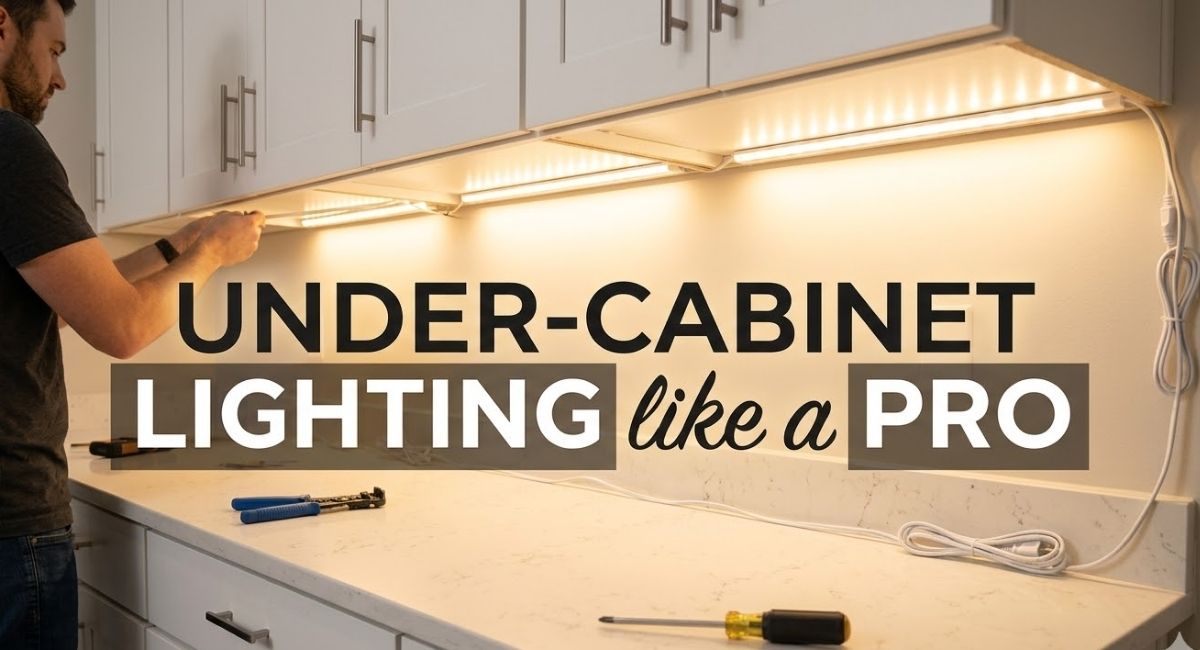
Installing under-cabinet lighting is a practical way to brighten your kitchen or workspace, add depth to your decor, and make cooking or tasks much easier. Many homeowners avoid this upgrade because it seems technical, but with a clear step-by-step approach, the process can be straightforward and highly rewarding.
Under-cabinet lighting offers both functional and aesthetic benefits. It illuminates countertops directly, reducing shadows and making food preparation safer. Beyond practical use, it adds ambiance and highlights textures and finishes in your kitchen. Properly installed lighting can elevate the overall feel of your home and even increase its appeal to potential buyers.
Choosing the Right Type of Lighting
The first step is understanding the types of under-cabinet lighting available. Options include LED strips, puck lights, fluorescent fixtures, and rope lighting. Each has its benefits:
- LED Strips: Flexible, energy-efficient, and available in warm or cool tones. They provide continuous light and are easy to cut to fit specific lengths.
- Puck Lights: Small, round lights that give a focused beam. Ideal for highlighting specific areas or creating a spotlight effect.
- Fluorescent Fixtures: More traditional, providing bright, even light. They require more space and can be bulkier than modern LEDs.
- Rope Lighting: Tubular lights that give a gentle glow. Best for accent lighting rather than task-oriented illumination.
Selecting the right type depends on your kitchen layout, desired brightness, and design preferences. Warm white tones often complement wood cabinets, while cooler tones pair with modern, sleek designs.
Tools and Materials Needed
Before beginning installation, gather all necessary tools and materials to ensure a smooth process. This prevents interruptions mid-project and keeps your work safe and efficient. Typical items include:
- Screwdriver set
- Measuring tape
- Drill and drill bits
- Wire stripper
- Under-cabinet light fixtures
- Adhesive backing or mounting brackets
- Electrical connectors and wire nuts
- Power source (plug-in or hardwired)
Using high-quality materials is important to ensure safety and durability. Cheap or incompatible fixtures may result in uneven lighting or require frequent maintenance.
Planning Your Layout
Planning is essential to achieve a professional finish. Measure the length of your cabinets and mark where each light will be positioned. Even spacing creates a consistent glow, while uneven placement can lead to dark spots. Consider the following tips:
- Place lights toward the front of the cabinet to reduce shadows.
- Avoid placing fixtures too close to the edge to prevent glare.
- Check that cords and wiring will be hidden or easily secured.
Mapping your layout beforehand reduces trial-and-error and gives you a clear vision of the final result. If you have multiple cabinets, plan how the wiring will connect across units.
Installing Plug-In Lights
Plug-in lights are beginner-friendly and do not require direct electrical work. Steps include:
- Position the Light Fixture: Mark the spot under the cabinet where the light will be mounted.
- Attach Mounting Hardware: Use screws or adhesive tape to secure the fixture.
- Connect to Power Source: Plug into the nearest outlet, using extension cords if necessary. Conceal wires using cable channels or clips.
- Test the Lights: Switch them on to confirm proper operation and adjust positioning as needed.
Plug-in lights offer flexibility because you can move or replace them without rewiring your kitchen. They work well for renters or anyone not ready to commit to permanent installation.
Hardwiring Under-Cabinet Lights
For a cleaner, professional look, hardwiring integrates lighting directly into your home’s electrical system. This requires some electrical knowledge and careful safety practices:
- Turn Off Power: Ensure the circuit breaker is off before handling wires.
- Run Electrical Wiring: Measure and cut wires, connecting them to the fixture and the home’s circuit using wire nuts.
- Secure Fixtures: Mount lights with screws or brackets, ensuring they are flush and stable.
- Test and Adjust: After connecting, switch the circuit back on and verify functionality.
Hardwired lighting avoids visible cords and can be controlled via a wall switch. Adding dimmers allows flexible brightness adjustment, enhancing ambiance while conserving energy.
Installing LED Strip Lights
LED strips are a popular choice because they are thin, easy to install, and highly energy-efficient. The process includes:
- Measure and Cut: Trim strips to fit the cabinet length using designated cut points.
- Attach Adhesive Backing: Peel and stick the strip under the cabinet, ensuring even contact.
- Wire to Power Source: Connect to a plug or a hardwired transformer.
- Secure Loose Ends: Use clips or tape to prevent sagging or detachment.
LED strips provide modern aesthetics, and some models offer color-changing features that can complement your kitchen theme.
Enhancing Functionality and Design
Under-cabinet lighting can serve more than a practical role. Consider these enhancements:
- Motion Sensors: Automatic on/off when someone approaches, adding convenience.
- Dimmers: Adjust brightness to suit cooking, dining, or entertaining moods.
- Color Options: Warm or cool tones, or RGB LEDs, can highlight cabinet finishes and countertops.
Incorporating these elements increases the value and enjoyment of your space. You can also integrate under-cabinet lighting with other smart home devices for a connected experience.
Maintenance Tips
Proper maintenance ensures longevity and consistent performance:
- Wipe fixtures regularly to prevent dust buildup.
- Replace bulbs promptly to maintain even lighting.
- Check wiring periodically for wear, especially with plug-in units.
- Avoid moisture contact to prevent electrical hazards.
Routine attention prevents problems and preserves the professional look of your installation.
Safety Considerations
While installation is generally safe, following precautions prevents accidents:
- Double-check circuit breakers before starting electrical work.
- Use insulated tools when handling live wires.
- Avoid overloading circuits with multiple fixtures.
- Keep cords secured to prevent trips or snags.
Safety is especially important in kitchens, where water and electrical systems coexist closely.
Cost Considerations
Costs vary depending on materials, lighting type, and installation method:
- LED strips: $20–$50 per cabinet section.
- Puck lights: $15–$30 per light.
- Hardwiring: Additional cost for electricians if not DIY.
- Accessories: Dimmers, motion sensors, or smart controls may increase budget.
Planning ahead allows you to balance aesthetic desires with budget constraints.
Maximizing Results with Complementary Upgrades
Under-cabinet lighting pairs well with other home improvements. For example, updating cabinet handles or painting backsplash tiles enhances the overall effect. You can also explore projects like top DIY furniture upgrades or creative ways to repurpose old tools to further elevate your space. For outdoor areas, coordinating lighting projects with budget-friendly deck construction adds continuity across your home.
Lighting upgrades can also complement functional improvements, like small living space storage hacks or using eco-friendly materials for renovations for sustainable design.
Final Words
Installing under-cabinet lighting transforms kitchens and workspaces, making them brighter, safer, and more stylish. By choosing the right fixtures, planning the layout, and following careful installation steps, homeowners can achieve professional results. Integrating enhancements like dimmers or motion sensors adds flexibility and sophistication. Whether using plug-in options or hardwired setups, under-cabinet lighting is a practical, aesthetic, and long-term upgrade that elevates the heart of your home.
Also Check: Natural Lighting Ideas to Save Energy