
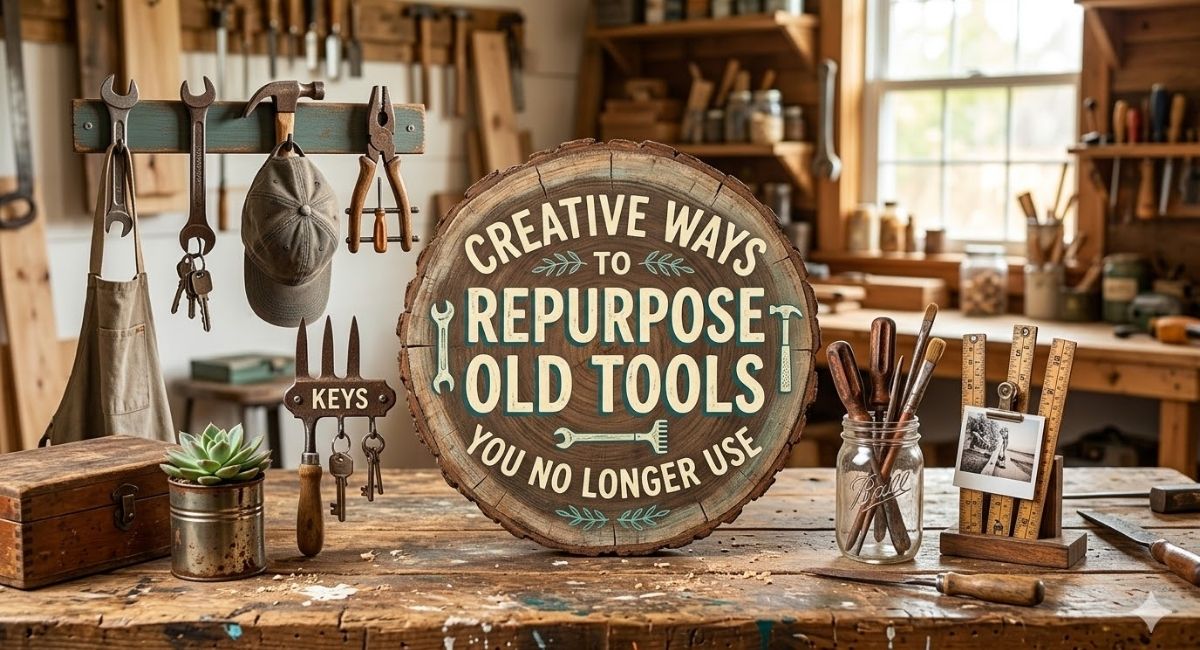
Many garages, sheds, and basements contain boxes of tools that once served an important purpose. Over time, projects change, technology evolves, and some tools simply sit untouched for years. Instead of throwing them away or letting them rust in a drawer, there are many practical and creative ways to repurpose old tools you no longer use.
Repurposing tools combines sustainability, creativity, and practical design. Old tools were built to last. Their strong materials and unique shapes make them excellent candidates for reuse in home decor, garden projects, furniture, and even digital workspace setups. With a bit of imagination, a worn wrench or a broken shovel can gain a completely new life.
This guide explores creative ways to repurpose old tools while also sharing practical ideas that add character to your home or workspace. You will learn how to transform unused tools into decorative pieces, functional items, and conversation starters.
Repurposing also aligns with sustainable living. Instead of sending metal tools to landfills, you extend their lifespan while reducing waste. Many homeowners now enjoy DIY projects that turn ordinary items into meaningful designs. Old tools carry history and craftsmanship, and reusing them preserves that story.
If you enjoy sustainable living topics, you may also enjoy exploring ideas related to eco conscious lifestyle and design such as this article about sustainable fashion and material innovation.
Let’s explore how old tools can become useful and creative additions to your home and workspace.
Why Repurposing Old Tools Makes Sense
Before jumping into specific ideas, it helps to understand why old tools are ideal for repurposing projects.
Older tools were often made from solid steel, hardwood, and heavy materials that are difficult to find in modern inexpensive tools. Their durability makes them perfect for long term projects.
There are also emotional and aesthetic reasons. Many people inherit tools from parents or grandparents. These objects carry personal history. Repurposing them allows you to preserve those memories while giving the tool a new function.
Another factor is sustainability. Repurposing reduces waste and promotes mindful consumption. Instead of buying new decorative items or storage products, you can transform something you already own.
Benefits of repurposing old tools include:
• Reducing household waste
• Creating unique handmade decor
• Saving money on home accessories
• Preserving sentimental items
• Encouraging creativity and DIY skills
These benefits make tool repurposing a rewarding activity for homeowners, DIY enthusiasts, and anyone interested in sustainable living.
Turning Old Tools Into Functional Home Decor
One of the easiest ways to reuse tools is to transform them into decorative items that still serve a practical purpose.
Tools often have distinctive shapes that lend themselves naturally to hooks, holders, and stands.
Wrench Coat Hooks
Old wrenches can be bent slightly and mounted on wooden boards to create coat racks or wall hooks. Their curved shape works perfectly for hanging jackets, bags, or keys.
This type of project works especially well in entryways, garages, or workshop themed rooms. The metal finish also adds an industrial look that many homeowners enjoy.
Hammer Handle Wall Racks
Broken hammers with intact handles can be mounted on a wooden panel to create a rustic rack for hats, bags, or tools.
The handle becomes the hook while the hammer head adds a distinctive design element.
Screwdriver Drawer Handles
Old screwdrivers can be installed as cabinet or drawer handles in workshops, tool rooms, or creative studios.
This simple modification gives furniture a unique appearance while keeping tools visible and useful.
Saw Blade Wall Art
Circular saw blades and hand saws can become striking wall decorations.
Clean the blade, polish the metal, and mount it on a wooden frame. Some people paint designs on the blade or engrave family names.
This project works well for rustic kitchens, cabins, or home workshops.
Garden Projects Using Old Tools
Garden spaces are perfect environments for repurposed tools. The natural textures of wood and metal blend nicely with plants and outdoor designs.
Many gardeners enjoy using old tools to create functional garden accessories.
Shovel Head Planters
If a shovel handle breaks but the metal blade remains intact, it can be converted into a wall planter.
Attach the shovel head to a wooden board and add soil and small plants. Succulents and herbs work well in this type of container.
Rake Head Garden Organizer
An old rake head can become a garden organizer.
Mount it on a wall or fence and use the metal teeth to hold gardening gloves, small tools, or seed packets.
Some people also hang wine glasses on rake teeth to create outdoor drink stations.
Tool Handle Garden Markers
Broken tool handles can be cut into smaller pieces and painted to create plant markers.
These markers are strong, weather resistant, and add character to vegetable gardens.
Trowel Wind Chimes
Old trowels, small spades, and metal tools can be hung with chains to create wind chimes.
When the wind moves them, the metal produces a soft clinking sound. This adds a relaxing atmosphere to garden spaces.
Furniture Ideas Using Old Tools
Repurposed tools can also become parts of furniture. Their strength makes them suitable for supporting shelves, tables, and decorative frames.
Wrench Shelf Brackets
Large wrenches can serve as shelf brackets.
Simply mount the wrench to a wall with the open end supporting a wooden shelf. This design looks great in garages, kitchens, or offices with an industrial theme.
Tool Handle Table Legs
Thick wooden handles from shovels or rakes can be used as legs for small tables or stools.
By cutting them evenly and attaching them to a tabletop, you create a unique piece of furniture.
Hammer Coffee Table Base
Several hammers arranged together can create a decorative base for a glass coffee table.
The handles form the support structure while the hammer heads add visual detail.
These types of projects highlight the craftsmanship of older tools.
Organizing Your Workshop With Repurposed Tools
Ironically, old tools can help organize your current tools.
Creative storage solutions make workspaces more efficient and visually appealing.
Pliers Cable Holders
Old pliers can hold electrical cords and extension cables.
Mount them on a board with the jaws slightly open. The cord sits between the jaws and stays in place.
Wrench Tool Holders
Mounting wrenches on a board creates holders for smaller tools such as screwdrivers.
The open end of the wrench becomes a storage slot.
Magnetic Tool Displays
Metal tools can be arranged on magnetic boards to create attractive displays while keeping them accessible.
This idea works well in garages where organization is important.
Repurposing Tools for Creative Workspaces
Today many people work from home or manage digital tasks such as blogging, marketing, or running online stores. Surprisingly, old tools can play a role in building creative workspaces.
For example, tool based stands and holders can organize devices used for social media work.
People who manage digital content often rely on social media tools free and content scheduler apps to manage posts, analyze engagement, and maintain consistent publishing schedules.
A few creative ideas include:
Wrench Phone Stands
A large wrench can be bent slightly to create a phone stand. This is useful when recording videos, checking social media updates, or monitoring analytics from social media tools free.
Clamp Tablet Holders
Old clamps can hold tablets used for managing content scheduler apps or monitoring dashboards.
This simple setup keeps devices stable while working at a desk.
Tool Handle Cable Organizers
Cut tool handles into small blocks and drill holes to hold charging cables.
This keeps your desk organized when working with laptops, phones, or cameras.
These repurposing ideas blend physical tools with modern digital work environments.
Decorative Lighting Projects
Lighting projects using old tools can transform ordinary spaces into unique environments.
Metal tools reflect light in interesting ways and create striking visual effects.
Wrench Chandeliers
Multiple wrenches attached to a circular frame can form a chandelier structure.
When light shines through the metal shapes, the room gains an industrial style.
Drill Lamp Bases
Old manual drills can become lamp bases.
Attach a light fixture above the drill and mount it on a wooden platform. The result is a vintage desk lamp with personality.
Pipe and Tool Wall Lights
Combining metal pipes and small tools can create wall lights suitable for workshops or home bars.
These lights often become conversation pieces because of their unusual design.
Artistic and Sculptural Projects
Some people enjoy transforming tools into sculptures or art pieces.
Old tools have unique forms that lend themselves to creative expression.
Tool Animal Sculptures
Artists often weld tools together to create sculptures of animals such as birds, horses, or insects.
For example:
• Pliers can become legs
• Wrenches can form wings
• Chains can create tails
These sculptures make interesting garden decorations.
Industrial Wall Art
Tools arranged in patterns on wooden boards can create geometric art.
Some designs resemble sunbursts or abstract patterns.
Memory Displays
If tools belonged to a family member, you can create framed displays that preserve them as part of family history.
Include photos or engraved plaques to tell the story behind the tools.
Practical Household Uses for Old Tools
Not every repurposing idea needs to be decorative. Many tools can still serve everyday functions.
Here are a few practical uses.
Door Handles
Old wrenches or handles can replace standard door pulls in workshops or sheds.
Bookends
Heavy tools such as large wrenches or small anvils make excellent bookends.
Bottle Openers
Certain wrench shapes work well as mounted bottle openers.
Paper Towel Holders
Bent metal rods or tool handles can hold paper towel rolls in kitchens or garages.
These ideas highlight how durable tools remain useful even after their original purpose is gone.
Repurposing Tools for Outdoor Spaces
Outdoor living spaces such as patios and decks offer many opportunities for creative tool reuse.
Tool Fence Decorations
Old tools can be attached to wooden fences as decorative elements.
Their shapes create interesting patterns.
Hose Holders
Large wrenches mounted on walls can hold garden hoses.
Fire Pit Accessories
Long handled tools can be modified to create fire pit pokers or log movers.
Outdoor projects benefit from the strength and durability of metal tools.
Safety Tips When Repurposing Old Tools
While repurposing tools is fun, safety should always come first.
Old tools may contain rust, sharp edges, or loose parts. Taking a few precautions helps prevent injuries.
Important safety tips include:
• Clean tools thoroughly before use
• Remove rust using wire brushes or sandpaper
• Wear gloves while working with metal
• Secure tools firmly when mounting them on walls
• Use protective eyewear when cutting or drilling
These steps ensure your projects remain safe and long lasting.
Finding Old Tools for Repurposing
You do not always need to use tools you already own. Many places offer inexpensive tools that are perfect for repurposing projects.
Common sources include:
• Garage sales
• Flea markets
• Estate sales
• Antique stores
• Local classifieds
• Online marketplaces
Older tools are often higher quality than modern budget tools, making them excellent materials for DIY projects.
If you enjoy creative online content, blogging, or publishing your own DIY guides, learning how websites grow through content sharing and collaboration can also help.
Environmental Benefits of Tool Repurposing
Repurposing tools supports sustainable living in several ways.
Metal tools require energy and raw materials to manufacture. By extending their lifespan, you reduce the demand for new production.
Repurposing also keeps metal waste out of landfills.
Environmental benefits include:
• Lower manufacturing demand
• Reduced landfill waste
• Less resource extraction
• Encouraging reuse culture
Small actions such as repurposing tools contribute to a broader culture of sustainability.
Many communities now promote repair and reuse initiatives where people share tools and skills.
Building a Personal DIY Style
One of the most enjoyable aspects of repurposing old tools is developing your own design style.
Some people prefer rustic farmhouse designs, while others enjoy industrial themes.
Your personal style may evolve as you experiment with different projects.
Consider these ideas when developing your approach:
• Combine wood and metal for contrast
• Use vintage paint colors for added character
• Preserve natural wear marks for authenticity
• Mix different types of tools for visual interest
DIY projects become more meaningful when they reflect personal creativity rather than mass produced decor.
Sharing Your Repurposing Projects Online
Many people enjoy documenting their DIY projects online.
Photos and tutorials can inspire others and help build online communities focused on sustainability and creativity.
Creators often share their work on platforms that offer social media tools free for scheduling posts, managing comments, and analyzing engagement.
Content scheduler apps allow creators to plan posts across multiple platforms while focusing on their projects.
Sharing DIY projects online can lead to:
• Community engagement
• Collaboration with other creators
• Opportunities for tutorials and workshops
• Building a personal brand around creativity
Repurposing tools not only creates useful items but can also become part of a creative online presence.
If you are exploring ideas related to creative projects, sustainable living, and unique lifestyle concepts.
Final Thoughts
Old tools often sit unused in garages and storage boxes for years. Yet these items hold tremendous potential for creative reuse.
With imagination and basic DIY skills, tools that once fixed machines or built homes can become art pieces, furniture components, garden decorations, or practical household items.
Repurposing old tools supports sustainability, reduces waste, and preserves craftsmanship from earlier generations. It also provides a rewarding way to express creativity and build unique items that cannot be found in stores.
Whether you transform a wrench into a coat hook, build a planter from a shovel head, or create a sculpture from discarded tools, each project tells a story of creativity and resourcefulness.
Instead of letting old tools gather dust, consider giving them a new purpose. A simple project may turn an overlooked object into one of the most interesting pieces in your home.
Related Topics: