

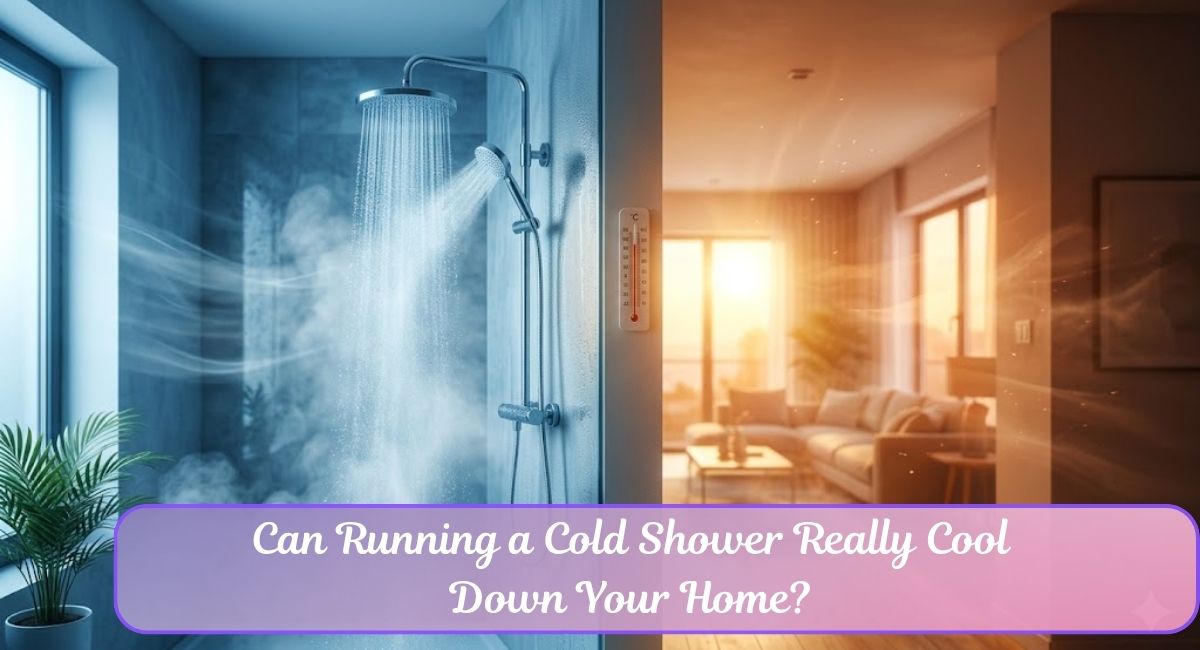
When the temperature rises and the house starts holding onto heat, people try all kinds of quick fixes. One idea that circulates often is running a cold shower for a while to “cool down the house.” It sounds simple and almost intuitive: cold water, cold air, cooler space. But the reality is more layered than that.
Homes do not behave like a glass of iced water. They are complex systems made of air, insulation, humidity, heat retention in walls, and energy exchange with the outside environment. Because of that, some common “home cooling tricks” only feel effective in the moment without changing the actual indoor temperature in a meaningful way.
This article takes a detailed look at whether a cold shower can really cool your home, what it actually does to your indoor environment, and which methods work better when you need to beat the heat at home. Along the way, we will also look at body temperature response, humidity effects, smart cooling alternatives, and even how indoor temperature influences sleep, including the role of Plants That Help You Sleep Better.
Why the Idea of Running a Cold Shower to Cool a Room Sounds Logical but Falls Short
At first thought, running a cold shower might seem like a clever hack. Water is cold, so the bathroom becomes cooler, and that cool air might spread through the house. However, this assumption misses how heat and air behave indoors.
Here is what actually happens when you run a cold shower for cooling purposes:
- The water cools the air in a very small, enclosed space like a bathroom
- The cooling effect does not spread efficiently into other rooms
- Humidity rises sharply, which can make the air feel heavier and warmer
- Any slight cooling is offset by moisture buildup and poor air circulation
The core misunderstanding is confusing local cooling with whole-home temperature change. A bathroom might feel slightly cooler for a short time, but the rest of the house remains largely unaffected.
So when asking, “does running cold shower decrease home temperature?” the answer is generally no in any meaningful or lasting way.
Instead of cooling your home, it often increases indoor humidity, which can make warm weather feel even more uncomfortable.
What Actually Happens Inside Your Home During a Cold Shower
To understand why this method falls short, it helps to break down the physical effects.
1. Humidity increases faster than temperature drops
When cold water flows, it evaporates into the air, especially in a closed bathroom. That moisture:
- Raises indoor humidity levels
- Reduces the body’s ability to cool itself through sweat evaporation
- Creates a “sticky heat” feeling even if the temperature drops slightly
High humidity is one of the main reasons people feel worse during heat waves, even if the temperature is not extreme.
2. Limited air exchange prevents real cooling spread
Most homes are not designed for cross-room airflow from a bathroom. Without strong ventilation:
- Cool air stays trapped in one room
- Heat from other areas quickly balances it out
- The effect disappears once the shower stops
3. Heat capacity of the home dominates
Walls, furniture, flooring, and ceilings store heat. These materials:
- Absorb heat during the day
- Release it slowly over time
- Overpower short bursts of cooling like a shower
This is why home cooling tricks need sustained energy management rather than temporary effects.
Does Cold Shower Reduce Body Heat? Yes, But Only Temporarily
A cold shower can indeed reduce body temperature, but it works on the body, not the house.
Here is what happens biologically:
- Cold water lowers skin temperature
- Blood vessels constrict temporarily
- You feel refreshed and less overheated
- The body gradually returns to baseline temperature afterward
This makes cold showers useful for personal comfort during summer cooling routines, but not for altering room temperature.
Interestingly, once you leave the shower, your body may warm back up quickly if the environment is still hot. That is why people sometimes feel a short relief followed by discomfort again.
So while a “shower for summer cooling” helps individuals, it does not solve indoor heat buildup.
Why People Believe It Works: Common Misinterpretations
Many home cooling myths come from short-term sensations rather than measurable changes. Here are some reasons people think running cold water helps:
Short list of perceived effects
- The bathroom feels noticeably cooler after showering
- Steam and moisture give a sense of air movement
- Skin feels refreshed, which is interpreted as environmental cooling
- Temporary relief creates a psychological association with cooler air
These sensations are real but localized. They do not translate into full-house temperature reduction.
Better Ways to Cool House Fast Without Wasting Water or Energy
If the goal is to genuinely cool down a home, there are more effective methods that address airflow, insulation, and heat reduction directly.
1. Improve airflow strategically
Air movement is one of the fastest ways to reduce perceived heat.
- Open windows on opposite sides of the home for cross-ventilation
- Use fans to push hot air out rather than circulate it endlessly
- Close blinds during peak sunlight hours
2. Control heat entry rather than just reacting to it
Preventing heat buildup is more effective than trying to remove it later.
- Block direct sunlight with curtains or thermal shades
- Seal gaps around windows and doors
- Reduce use of heat-generating appliances during the day
3. Use evaporation wisely
Evaporative cooling can help in dry climates, but must be controlled.
- Place shallow bowls of water near airflow paths
- Use damp cloths near fans for short bursts of cooling
However, this should be used carefully since humidity can rise quickly.
4. Switch to energy-efficient cooling tools
Instead of relying on water-based hacks, mechanical airflow solutions are more reliable.
- Ceiling fans improve air circulation efficiently
- Portable AC units cool targeted rooms effectively
- Smart thermostats help manage energy use
For households exploring upgrades, resources like affordable smart home devices can help identify cost-friendly cooling solutions.
Smart Home Approaches to Managing Indoor Heat More Effectively
Technology now plays a major role in how homes manage temperature. Instead of reacting to heat, smart systems help prevent overheating in the first place.
A structured setup can include:
- Automated blinds that close during peak sunlight
- Smart thermostats that adjust cooling cycles
- Fans and vents controlled by temperature sensors
For those starting from scratch, a practical guide like how to set up a smart home on a budget can help build a foundation without overspending.
You can also optimize airflow timing using smart routines, ensuring that cooling devices work only when needed instead of running constantly.
Another useful upgrade is lighting control. Heat from lighting is often overlooked, especially in older homes. Efficient lighting systems reduce heat output and energy waste. Exploring affordable smart lighting options can make a noticeable difference during long summer days.
For more advanced setups, combining devices into a unified system helps reduce manual effort. A well-balanced setup described in build a smart tech setup without overspending can help optimize both comfort and cost efficiency.
And for everyday efficiency improvements, tools that support routine management like essential tools for working from home efficiently can indirectly help maintain better indoor habits during hot weather.
Sleep, Heat, and Why Indoor Temperature Matters More at Night
One of the most overlooked impacts of home heat is sleep quality. When rooms remain warm at night, the body struggles to reach the lower core temperature needed for deep sleep cycles.
This is where lifestyle adjustments become important, not just mechanical cooling.
Cooling the sleep environment
Instead of relying on cold showers alone, consider:
- Lowering bedroom temperature gradually before sleep
- Using breathable cotton bedding
- Reducing electronics that emit heat
Plants also play a subtle but meaningful role in bedroom comfort and relaxation. Certain indoor plants help improve air quality and create a calmer environment that supports rest.
This is where Plants That Help You Sleep Better becomes relevant in practical home cooling discussions. While plants do not directly lower room temperature significantly, they:
- Improve air freshness perception
- Add humidity balance in dry environments
- Create a more calming visual environment that reduces stress
Common examples often used in sleep environments include lavender, aloe vera, and snake plant varieties.
Combining plant placement with airflow control can make a room feel more comfortable without mechanical cooling overload.
Home Cooling Tricks That Actually Hold Up in Real Life
Instead of relying on quick fixes like running cold water, here are practical strategies that consistently work.
Bullet list of effective methods
- Keep curtains closed during peak sunlight hours
- Use fans near windows during cooler evening air
- Turn off unused electronics that generate heat
- Limit oven and stove use during daytime
- Create shaded zones inside the home
- Use dehumidifying methods in humid climates
- Prioritize night ventilation when outdoor air cools down
These methods work because they target heat sources rather than trying to counteract heat after it spreads.
How Cold Showers Fit Into a Larger Cooling Strategy
Cold showers are not useless in hot weather. They simply serve a different purpose.
They are best used for:
- Immediate personal cooling after heat exposure
- Temporary relief after outdoor activity
- Resetting body temperature before rest
But they should not be treated as a home cooling method.
A more accurate way to think about it is:
- Cold shower = body reset tool
- Fans and airflow = room comfort control
- Insulation and shading = heat prevention layer
When these layers work together, indoor comfort improves significantly.
Energy, Comfort, and the Hidden Cost of Water-Based Cooling Ideas
Another overlooked aspect is resource usage. Running showers for cooling purposes:
- Increases water consumption
- Can raise indoor humidity, making AC systems work harder
- Does not provide proportional cooling benefits
From an efficiency perspective, this makes it a poor long-term strategy compared to airflow and insulation improvements.
Modern homes are increasingly moving toward systems that manage temperature passively, reducing reliance on water-based cooling behaviors.
Final Perspective: Can a Cold Shower Cool Down Your Home?
A cold shower can cool you down, but it cannot meaningfully cool your home. The difference matters.
What it actually provides:
- Temporary personal relief
- Slight cooling in a confined space
- Short-term psychological comfort
What it does not provide:
- Whole-home temperature reduction
- Long-lasting indoor cooling
- Reduced heat retention in walls or furniture
For real comfort during heat waves, the focus should shift toward airflow, insulation, smart energy management, and behavioral adjustments that reduce heat buildup in the first place.
When combined with practical home upgrades and mindful habits, including smart devices and environmental choices, indoor heat becomes much easier to manage without relying on short-lived fixes.
And while a cold shower can be part of a summer routine, true comfort comes from a layered approach that considers both body temperature and the environment you live in.
Also Check: How to Save Water at Home