
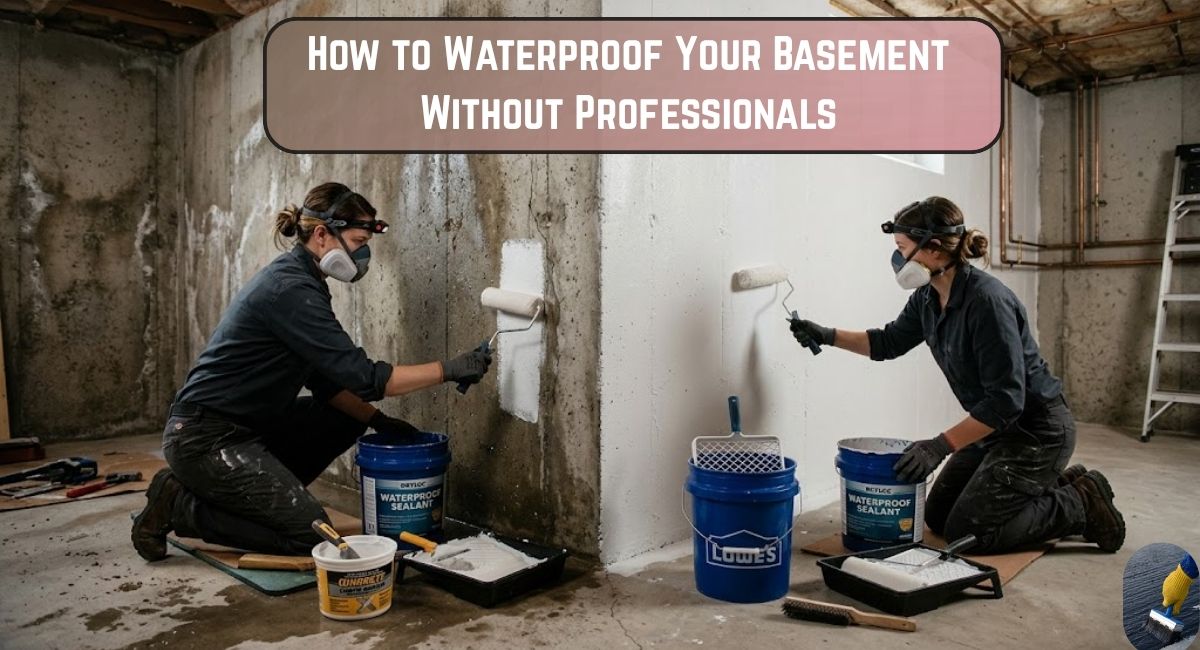
A damp basement has a way of creeping into your daily life. It starts with a faint musty smell, then a dark stain near the floor, and before long you are dealing with peeling paint, warped wood, and the constant worry that a heavy rain could make things worse. Many homeowners assume waterproofing requires expensive contractors and complex systems. That is not always true. With the right approach, practical tools, and a clear plan, you can take control of the problem yourself.
This guide walks you through how to waterproof your basement without professionals in a way that is detailed, realistic, and grounded in hands-on experience. It covers everything from identifying the root cause to applying interior and exterior solutions that actually work.
Why Basement Waterproofing Matters More Than You Think
Water in a basement is not just about inconvenience. It affects the structure of your home, your indoor air quality, and even your energy costs. Moisture can weaken concrete over time, encourage mold growth, and damage stored belongings.
Many homeowners first notice small signs and ignore them. That delay often leads to bigger repairs later. Learning how to waterproof your basement without professionals gives you control and helps prevent long-term damage.
Think of waterproofing not as a one-time fix but as a system. You are managing how water interacts with your home from the outside in.
Start With the Real Source of the Problem
Before applying any sealant or installing drains, you need to understand where the water is coming from. Guesswork leads to wasted effort.
Common sources include:
- Poor drainage around the foundation
- Cracks in basement walls or floors
- Hydrostatic pressure pushing water through concrete
- Faulty gutters or downspouts
- High groundwater levels
A simple inspection after rainfall can tell you a lot. Walk around your home and check where water collects. Look at the slope of the soil. Inside the basement, note damp spots and track their pattern.
A flashlight and a notebook are enough for this stage. Mark areas where moisture appears consistently.
Improve Exterior Drainage First
One of the most effective ways to waterproof your basement without professionals starts outside. If water never reaches your foundation, you reduce most of the risk.
Focus on these improvements:
- Extend downspouts at least 6 to 10 feet away from your house
- Clean gutters regularly to avoid overflow
- Adjust soil grading so it slopes away from your foundation
- Add gravel or drainage paths where water pools
These changes are simple but powerful. Many basement leaks are caused by water sitting too close to the structure.
If you enjoy tackling home projects yourself, you might also find ideas in guides like diy bathroom repair guide helpful when building confidence with tools and repairs.
Seal Cracks the Right Way
Cracks in basement walls and floors are common entry points for water. Some are harmless, but others allow steady seepage.
Start by identifying the type of crack:
- Hairline cracks are usually surface-level
- Wider cracks may indicate structural movement
- Horizontal cracks often require closer attention
To repair them:
- Clean the crack thoroughly using a wire brush
- Remove dust and loose debris
- Apply a concrete patch or hydraulic cement
- Smooth the surface and allow it to cure fully
Hydraulic cement works well because it expands as it dries, sealing gaps tightly. This is a practical and affordable solution when learning how to waterproof your basement without professionals.
Apply Waterproof Coatings Inside
Interior waterproof coatings act as a barrier against moisture. They are not a complete solution on their own, but they add an extra layer of protection.
Choose a high-quality masonry waterproofing product and follow these steps:
- Clean walls thoroughly and remove old paint
- Fill any cracks or holes first
- Apply the coating with a brush or roller
- Use at least two coats for better coverage
These coatings work best on bare concrete or masonry. Painted surfaces may need preparation before application.
Install a Simple Interior Drainage System
If water continues to enter, you may need a way to manage it inside the basement.
A basic interior drainage system includes:
- A trench along the basement perimeter
- Drainage pipe placed in gravel
- A sump pump to remove collected water
While this sounds complex, many homeowners install simple versions themselves. It requires effort and planning, but it is manageable with the right tools.
This step becomes especially useful in areas with heavy rainfall or high groundwater.
Use a Dehumidifier to Control Moisture
Waterproofing is not only about stopping leaks. It is also about controlling humidity.
A dehumidifier helps:
- Reduce moisture in the air
- Prevent mold growth
- Protect furniture and stored items
Place it in a central location and keep doors and windows closed while it runs. Empty the water tank regularly or connect it to a drain.
Pay Attention to Basement Windows
Windows are often overlooked but can be a major source of leaks.
Check for:
- Gaps around window frames
- Poor sealing or old caulk
- Improperly installed window wells
To fix these issues:
- Reapply caulk around frames
- Install window well covers
- Ensure proper drainage in the window well
These small changes make a noticeable difference when waterproofing a basement without professional help.
Consider Exterior Waterproofing for Long-Term Results
Interior fixes manage symptoms, but exterior waterproofing addresses the cause.
This involves:
- Excavating soil around the foundation
- Applying waterproof membranes
- Installing drainage boards
- Adding a French drain system
While this is more labor-intensive, some homeowners take it on as a long-term project. It requires planning and physical effort but can provide lasting protection.
If you enjoy upgrading your home step by step, you might already be exploring improvements like affordable smart lighting options or how to set up a smart home on a budget, and waterproofing fits into that same mindset of building a better living space.
Maintain Your Waterproofing System
Once your basement is dry, maintenance keeps it that way.
Make it a habit to:
- Inspect gutters and downspouts regularly
- Check basement walls after heavy rain
- Test your sump pump periodically
- Reapply sealants when needed
Waterproofing is not a one-time task. Regular checks prevent small issues from becoming major problems.
Mistakes to Avoid
Many DIY attempts fail because of common mistakes.
Avoid these:
- Ignoring exterior drainage
- Applying coatings over dirty surfaces
- Using the wrong sealant for cracks
- Skipping proper curing time
- Overlooking humidity control
Taking time to do each step properly saves effort later.
Cost Comparison: DIY vs Professional
One reason homeowners look into how to waterproof your basement without professionals is cost.
Professional waterproofing can range from thousands to tens of thousands of dollars depending on the extent of the problem.
DIY costs are much lower:
- Sealants and coatings: moderate cost
- Tools and materials: manageable investment
- Drainage improvements: varies based on scope
The biggest investment is your time and effort. For many homeowners, that trade-off is worth it.
Building Confidence With DIY Projects
Waterproofing may feel intimidating at first, but it builds confidence for other home improvements.
Once you complete a project like this, tasks such as install under cabinet lighting like a pro or even exploring best networking tips for local handyman pros start to feel more approachable.
Each project teaches you something new about your home.
A Realistic Timeline
Waterproofing your basement without professionals is not a one-day task.
A typical timeline might look like:
- Day 1 to 2: Inspection and planning
- Day 3 to 5: Exterior drainage improvements
- Day 6 to 8: Crack repairs and sealing
- Day 9 to 12: Interior coatings and drying
- Ongoing: Maintenance and monitoring
You can spread these steps over weekends if needed.
When DIY Is Not Enough
There are cases where professional help is necessary.
Consider reaching out if you notice:
- Large structural cracks
- Severe flooding
- Foundation shifting
- Persistent water despite multiple fixes
DIY works best for manageable issues. Knowing your limits is part of doing the job right.
Final Thoughts
Learning how to waterproof your basement without professionals is about understanding your home and taking practical steps to protect it. It is not about quick fixes or shortcuts. It is about building a system that keeps water away and manages moisture effectively.
With patience and the right approach, you can turn a damp, uncomfortable basement into a dry and usable space. The process may take time, but the results are worth it.
Read Also>> 7 Ways to Save Water at Home