
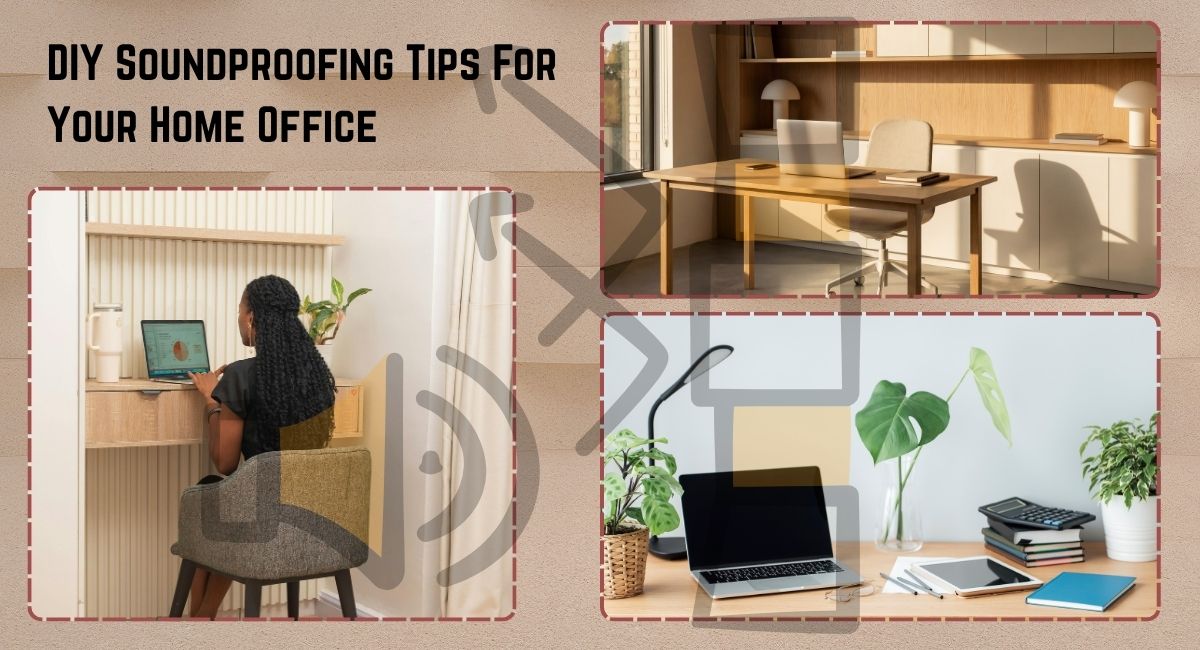
Working from home sounds simple until real life noise starts creeping into your day. Traffic outside, neighbors talking, footsteps upstairs, or even sounds from inside your own house can make it hard to focus. If you attend calls, record content, or simply need quiet time to think, soundproofing your home office becomes more than a comfort upgrade. It becomes part of your daily productivity setup.
The good news is that you do not need a professional studio or a big budget to reduce noise. With practical DIY soundproofing tips, you can create a calmer and more controlled workspace using simple materials and smart placement techniques. This guide walks you through how sound behaves, what actually works, and how to improve your home office step by step.
Understanding How Sound Travels in Your Home
Before jumping into solutions, it helps to know what you are dealing with. Sound moves through air and solid structures. When someone talks in another room, the sound waves travel through the air and also vibrate through walls, floors, and ceilings.
Two main types of noise affect your home office:
- Airborne noise: voices, music, TV, barking dogs
- Impact noise: footsteps, furniture movement, door slams
Most DIY soundproofing focuses on reducing airborne noise and softening impact sounds.
Another important idea is the difference between soundproofing and sound treatment. Soundproofing blocks sound from entering or leaving a room. Sound treatment improves how sound behaves inside the room, reducing echo and improving clarity.
In a home office, you usually need a mix of both.
Choosing the Right Spot for Your Home Office
The easiest way to reduce noise is to start with location. If you have flexibility, choose a quieter part of your home.
Rooms away from the street or main living areas tend to work better. A spare bedroom or a corner room often performs better than a space near the kitchen or living room.
If moving your office is not possible, small layout changes can still help:
- Place your desk away from shared walls
- Avoid sitting directly next to windows
- Use large furniture pieces between you and the noise source
These adjustments may seem minor, but they can noticeably reduce how much noise reaches you.
Sealing Gaps and Cracks
Sound loves small openings. Even tiny gaps around doors, windows, and outlets can let noise pass through.
Start by sealing these weak points:
- Use weatherstripping around doors and windows
- Apply acoustic sealant to cracks in walls
- Add door sweeps to close the gap under doors
- Use foam outlet covers for electrical boxes
This step is low cost and often overlooked. It does not completely block noise, but it reduces the amount that sneaks into your space.
Upgrading Your Door for Better Sound Control
Doors are one of the biggest problem areas in home offices. Hollow-core doors, which are common in many homes, do very little to stop sound.
You have a few DIY options:
- Add a thick door draft stopper
- Hang a heavy blanket or curtain over the door
- Attach mass-loaded vinyl or foam panels
- Replace with a solid-core door if possible
Even hanging a dense curtain can make a noticeable difference, especially for voices and hallway noise.
Using Rugs and Carpets to Reduce Floor Noise
Hard floors reflect sound and allow it to travel easily. Adding soft materials helps absorb those vibrations.
If your home office has hardwood, tile, or laminate flooring, consider:
- Thick area rugs
- Carpet tiles
- Layered rugs with padding underneath
These not only reduce noise from below but also improve acoustics inside the room. If you are in an upstairs space, this also helps reduce the noise you send to others.
Treating Walls Without Major Renovation
You do not need to rebuild your walls to improve soundproofing. There are many simple ways to make them more effective at blocking and absorbing sound.
DIY Wall Solutions That Work
- Acoustic foam panels
- Fabric wall hangings
- Bookshelves filled with books
- Cork boards or felt panels
Bookshelves are especially effective because they add mass and break up sound waves. If you are interested in improving furniture while enhancing your workspace, you can explore ideas like diy furniture upgrades to combine function with sound control.
Another approach is using thick curtains on walls that face noisy areas. This works surprisingly well in apartments where structural changes are limited.
Windows Are a Major Weak Point
Glass is not great at blocking sound, especially thin single-pane windows. If your office faces a busy street, this can be a major source of distraction.
Easy DIY Window Soundproofing Ideas
- Install heavy blackout curtains
- Use window inserts made from acrylic panels
- Apply weatherstripping around frames
- Use removable window plugs made with foam and plywood
Curtains are the simplest option and can reduce both noise and light. Window plugs provide better results but block natural light, so they work best if you do not rely heavily on daylight.
Ceiling Noise and What You Can Do About It
If you hear footsteps or movement from above, you are dealing with impact noise. This is harder to eliminate completely, but you can reduce it.
Try these options:
- Add acoustic panels to the ceiling
- Use foam tiles or fabric panels
- Place tall bookshelves that reach near the ceiling
If you have control over the room above, adding rugs or carpets there can help even more.
Furniture Placement Makes a Big Difference
Sound bounces off empty spaces. A room filled with soft and irregular surfaces absorbs more sound than an empty one.
Strategic furniture placement can act as a sound barrier:
- Place bookshelves against shared walls
- Use upholstered chairs and sofas
- Add cushions and fabric decor
- Use storage units filled with items
If you are working with a small space, creative storage ideas can help both organization and sound control. You can find useful inspiration here: storage hacks for small living space.
DIY Sound Panels You Can Build at Home
If you want a more effective and customized solution, building your own sound panels is a great option.
Basic Materials You Will Need
- Wooden frames
- Rockwool or fiberglass insulation
- Breathable fabric
- Staple gun
Steps
- Build a simple wooden frame
- Fill it with insulation material
- Cover it with fabric
- Mount it on your wall
These panels absorb sound rather than block it completely, but they make your office much quieter and improve call quality.
White Noise and Sound Masking
Sometimes blocking noise is not enough. In those cases, masking it can help.
White noise machines or apps produce a consistent background sound that makes other noises less noticeable.
Common options include:
- White noise
- Rain sounds
- Fan noise
- Ambient office sounds
This approach works well if you cannot control the noise source, like traffic or neighbors.
Repurposing Everyday Items for Soundproofing
You do not always need to buy new materials. Many household items can help reduce noise when used creatively.
You can take inspiration from projects like Repurpose old tools that you are not using for a long and apply similar thinking to soundproofing.
Some ideas include:
- Using old blankets as wall coverings
- Turning unused rugs into wall panels
- Stacking storage boxes along walls
- Using foam packaging materials
These solutions are not perfect, but they are budget friendly and easy to test.
Improving Your Setup for Calls and Recording
If your work involves meetings, podcasts, or content creation, sound quality matters just as much as noise reduction.
Here are some simple ways to improve your audio setup:
- Use a directional microphone
- Sit away from walls to reduce echo
- Add soft materials behind your microphone
- Avoid sitting in corners
Even small changes in positioning can improve how your voice sounds to others.
Combining Soundproofing With Productivity Tools
A quiet environment supports focus, but pairing it with the right digital tools makes your setup even stronger.
For example, using tools that help manage your workflow can reduce stress and improve efficiency. You can explore helpful options here: essential tools for working from home
If you manage content or social media, using social media tools free or content scheduler apps can help you stay organized without constant interruptions.
A calm space plus smart tools leads to better results.
Budget Friendly Soundproofing Plan
If you are starting from scratch and want a simple plan, here is a practical approach:
Step 1: Seal gaps
Start with doors, windows, and cracks.
Step 2: Add soft materials
Use rugs, curtains, and furniture.
Step 3: Treat walls
Add panels, shelves, or fabric.
Step 4: Improve door and window performance
Use curtains or DIY inserts.
Step 5: Add masking if needed
Use white noise or ambient sounds.
This step-by-step method keeps costs manageable while still delivering noticeable improvements.
Mistakes to Avoid
Many people try to fix noise issues but end up disappointed because of common mistakes.
- Relying only on foam panels for soundproofing
- Ignoring gaps and small openings
- Expecting total silence without structural changes
- Using thin materials that do not absorb sound
- Placing panels randomly without a plan
Understanding what each solution does helps you get better results.
When to Consider Bigger Changes
DIY methods can take you far, but there are limits. If you need near silence for professional recording or sensitive work, you may need more advanced solutions.
These include:
- Double drywall with insulation
- Resilient channel installation
- Soundproof doors and windows
These are more complex and often require professional help, but they provide a higher level of sound isolation.
Long Term Benefits of a Soundproofed Home Office
Creating a quieter workspace is not just about reducing noise. It affects your daily routine in several ways:
- Better focus and fewer distractions
- Improved call quality
- Less stress from background noise
- More control over your environment
Over time, these benefits add up and make working from home more comfortable and productive.
Final Thoughts
DIY soundproofing is not about achieving perfect silence. It is about reducing distractions to a level where you can focus and work comfortably. With the right mix of sealing, soft materials, and smart layout choices, you can significantly improve your home office without major renovations.
Start small and build gradually. Test what works in your space and adjust as needed. Every home is different, so your solution will be unique to your environment.
By combining practical soundproofing techniques with thoughtful workspace design and useful productivity tools, you can create a home office that supports both your work and your well-being.
Also Check : Top Eco Apps That Help You Live Smarter