
Living in a small space does not mean living in constant clutter. Many people assume that the only way to organize a compact home is by buying expensive storage furniture or moving to a larger place. In reality, smart storage is less about square footage and more about creative thinking.
Apartments, studio homes, tiny houses, and small bedrooms can feel crowded when everyday items do not have a clear place. Shoes pile up near doors, kitchen cabinets fill quickly, and closets become a struggle to manage. Traditional storage ideas like plastic bins or extra shelves help to some extent, but they do not always solve the deeper problem of limited space.
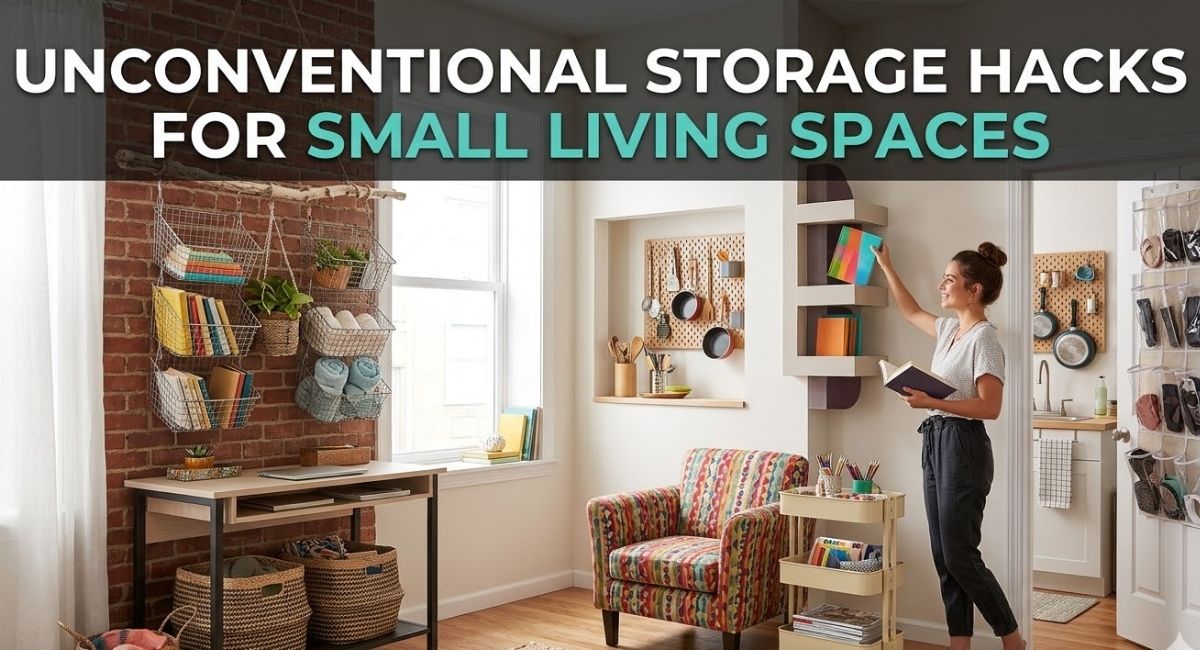
This is where unconventional storage hacks make a real difference. These methods use overlooked areas, creative furniture choices, and simple DIY adjustments to turn tight spaces into organized and comfortable homes.
Many people who live in compact homes rely on clever organization strategies that blend function and design. Instead of hiding everything in boxes, they turn everyday items into part of the storage system. Walls become vertical storage zones. Furniture performs more than one job. Small corners gain new purpose.
With the right approach, even the smallest home can feel more open and easier to manage.
This guide walks through practical storage ideas that work in real homes. Each suggestion focuses on maximizing space while keeping rooms comfortable and easy to maintain.
Why Small Spaces Need Creative Storage
Small homes demand smarter organization because every inch matters. When space is limited, clutter builds up faster and cleaning becomes harder. Traditional storage methods often waste space by focusing only on floors and closets.
The real solution is to think about storage in three dimensions.
Walls, ceilings, hidden compartments, and multifunctional furniture create opportunities that many people overlook. When these elements work together, they reduce clutter without making the home feel crowded.
Another benefit of creative storage is flexibility. Many unconventional solutions adapt easily when living situations change. Renters can move them without permanent modifications, and homeowners can adjust them as needs grow.
Creative storage also encourages mindful living. People begin to pay attention to what they keep and how often they use it. Over time, homes become easier to manage and less stressful to maintain.
Using Vertical Space to Its Full Potential
Most people only use the bottom half of their walls. The upper section often remains empty except for decorative frames. This is wasted storage potential.
Vertical storage works especially well in apartments where floor space is limited.
Tall shelving units are one of the easiest ways to take advantage of height. Instead of short bookcases, floor-to-ceiling shelves provide large storage capacity without increasing the room’s footprint.
Wall mounted storage systems also help keep everyday items organized while freeing up the floor.
Some practical ideas include:
• Installing narrow wall shelves above desks or sofas
• Adding floating shelves in hallways
• Using hanging storage baskets for lightweight items
• Mounting pegboards in kitchens or craft areas
Pegboards deserve special attention because they are extremely flexible. Hooks, small shelves, and containers can be rearranged whenever needs change.
Vertical storage also works well in bathrooms. A slim ladder shelf behind the door can hold towels, toiletries, and cleaning supplies without making the room feel cramped.
Even door frames can become storage spots. Thin shelves placed above doors work well for books, decorative boxes, or seasonal items.
When vertical storage is used properly, rooms remain open while still holding everything needed for daily life.
Furniture That Works Twice as Hard
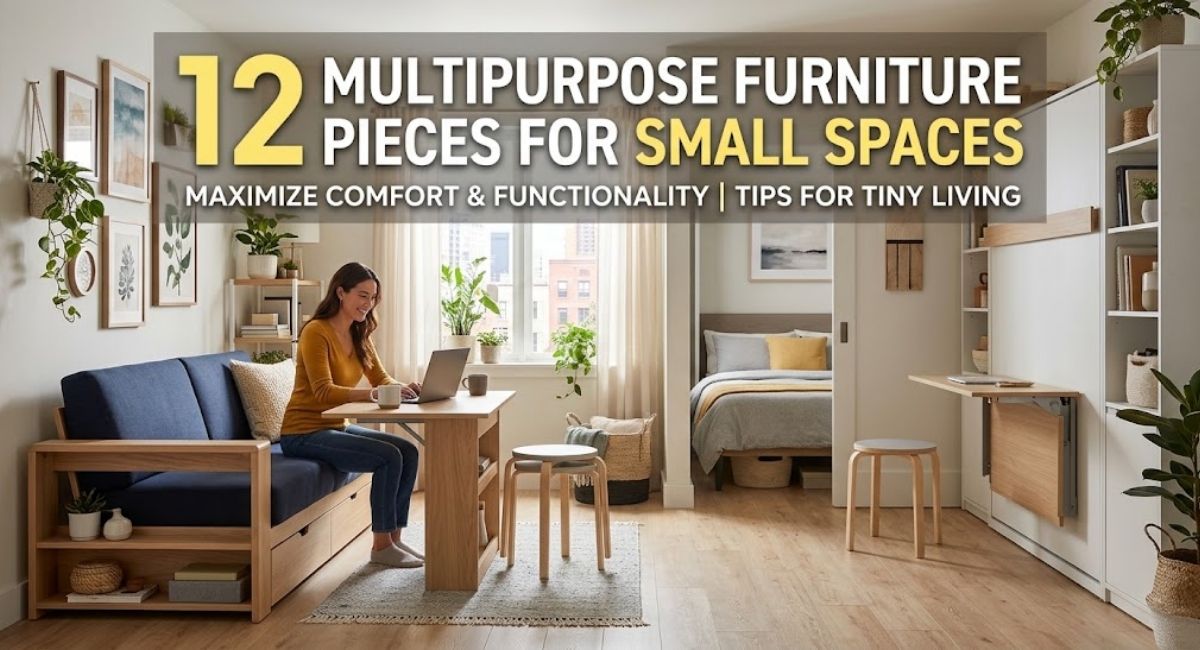
In small living spaces, furniture should serve more than one purpose whenever possible. A single piece that performs two or three functions reduces the need for extra storage units.
Multipurpose furniture is one of the most effective solutions for compact homes.
Consider these examples:
• Storage ottomans that hide blankets, books, or electronics
• Coffee tables with built in drawers
• Beds with storage underneath
• Foldable desks that mount to walls
• Benches with hidden compartments
These items keep belongings out of sight while maintaining a clean and organized appearance.
Storage beds deserve special mention. They provide large compartments beneath the mattress where off season clothes, bedding, or luggage can stay neatly packed away.
Another useful option is a lift top coffee table. The top raises slightly, creating a workspace while revealing hidden storage inside. This works well for small apartments where the living room also serves as a home office.
If you enjoy DIY projects, furniture upgrades can add storage without buying new pieces. Simple modifications like adding drawers to an existing bench or building hidden compartments can dramatically improve organization.
For inspiration, see the guide on home upgrades for creative furniture transformations.
These types of projects show how everyday furniture can evolve into functional storage solutions.
Turning Forgotten Areas Into Storage Spots
Many homes contain areas that rarely receive attention when planning storage. These hidden or overlooked spots often provide valuable extra space.
Common examples include the area under stairs, the back of doors, or the narrow gaps between appliances.
Instead of leaving these spaces empty, they can be turned into practical storage zones.
Here are a few ideas that work well in small homes:
• Sliding drawers built into stair steps
• Thin rolling carts between refrigerator and wall
• Hooks behind doors for bags or jackets
• Magnetic strips for knives or tools
• Corner shelves in awkward angles
Rolling carts are especially helpful in kitchens and bathrooms. They slide easily into narrow spaces and hold items like spices, cleaning supplies, or toiletries.
Another clever solution is under sink storage expansion. Many people leave this space half empty because plumbing pipes get in the way. Adjustable shelves designed around the pipes make the area far more useful.
Small storage improvements like these create noticeable results because they add space without making rooms feel crowded.
Repurposing Everyday Items for Smart Storage
Not all storage solutions require buying new products. Many household items can be repurposed in creative ways.
This approach not only saves money but also reduces waste.
Repurposing old tools, containers, or furniture pieces often leads to surprisingly practical storage solutions.
For example:
• Mason jars can store office supplies or bathroom items
• Wooden crates become stackable shelves
• Old ladders turn into towel racks
• Toolboxes organize craft materials
• Vintage suitcases create decorative storage boxes
These ideas combine organization with personality. Homes feel more unique when storage solutions have character instead of looking like identical plastic bins.
Creative reuse also works well for garages and workshops. Tools that no longer serve their original purpose can still help with storage.
If you enjoy this type of creativity, there are many examples in this article about repurposing tools for home projects:
Creative Ways To Repurpose Old Tools You No Longer Use
Repurposing items encourages a different way of thinking about storage. Instead of asking what to buy, people begin asking what they can reuse.
This shift often leads to more affordable and imaginative organization ideas.
Smart Closet Organization for Tight Spaces
Closets are one of the first areas that feel overcrowded in small homes. Without proper organization, clothes quickly pile up and valuable space disappears.
A well planned closet uses every section efficiently.
Double hanging rods are one of the easiest upgrades. Instead of a single rod that wastes the lower half of the closet, two rods allow shirts and pants to hang in separate layers.
Other helpful closet improvements include:
• Hanging shelf organizers
• Stackable shoe racks
• Slim velvet hangers that save space
• Clear storage bins for seasonal clothing
• Door mounted organizers for accessories
Rotating seasonal clothing also helps maintain closet space. Winter coats and heavy sweaters can stay in storage boxes during warmer months.
Vacuum sealed storage bags work well for bulky items like blankets or jackets. They compress clothing significantly and free up valuable space.
Another overlooked closet tip is lighting. Bright lighting helps people see everything clearly, which reduces clutter caused by forgotten items hiding in dark corners.
Small improvements like these can transform even the tightest closet into a functional storage system.
Kitchen Storage Hacks That Save Space
Kitchens often present the biggest storage challenge in small homes. Cabinets fill quickly and countertops become cluttered.
A few creative adjustments can dramatically increase kitchen storage capacity.
Wall mounted storage works extremely well in kitchens because cooking tools are often lightweight.
Popular options include:
• Magnetic knife strips
• Hanging pot racks
• Pegboard utensil boards
• Wall mounted spice racks
Drawer organizers also help maintain order inside cabinets. Without dividers, utensils and tools mix together and waste space.
Another helpful trick is stacking shelves inside cabinets. These small shelves create two layers inside a single cabinet, doubling storage capacity.
Pantry organization benefits from clear containers. Transparent jars make it easy to see ingredients and keep shelves neat.
Even small kitchens can function efficiently when items remain visible and accessible.
Rolling carts also serve as mobile kitchen storage. They can hold small appliances, pantry items, or extra dishes and move around when needed.
This flexibility makes them a favorite choice in compact apartments.
Hidden Storage Ideas That Keep Rooms Looking Clean
One of the biggest challenges in small homes is keeping spaces visually calm. Even when items are organized, too many visible objects can make rooms feel crowded.
Hidden storage solves this problem by keeping belongings out of sight.
Many modern furniture designs include concealed compartments that blend into the overall look of the room.
Some examples include:
• Beds with drawer bases
• Sofas with storage compartments
• Floating cabinets that hide electronics
• Mirror cabinets in bathrooms
Another clever option is toe kick drawers in kitchens. These shallow drawers fit beneath lower cabinets in the unused space near the floor.
They are perfect for storing baking trays, cutting boards, or flat kitchen tools.
Hidden storage also works well in living rooms where entertainment equipment and cables can quickly create clutter.
Wall mounted cabinets keep electronics organized while maintaining a clean design.
These solutions allow homes to stay functional without sacrificing comfort or style.
Outdoor Storage for Small Homes
Outdoor areas often provide additional storage opportunities that people overlook.
Balconies, patios, and small decks can hold items that do not need indoor space.
Weather resistant storage benches are one of the most useful outdoor solutions. They provide seating while hiding tools, gardening supplies, or seasonal decorations.
Vertical garden shelves also serve double duty. They hold plants while storing watering cans, soil bags, and gardening tools underneath.
For homeowners interested in expanding outdoor living areas, building a small deck can add both comfort and storage potential. Many deck designs include built in seating with storage compartments.
A detailed example can be found here:
Build A Budget-Friendly Outdoor Deck
Outdoor storage helps keep indoor spaces less crowded, especially when dealing with items used only occasionally.
Maintaining Organization in Small Spaces
Storage solutions only work well when they are easy to maintain.
Even the best systems fail if items do not return to their proper place after use.
A few habits help keep small homes organized long term.
First, assign a specific place for every commonly used item. When everything has a designated location, cleaning becomes quick and simple.
Second, perform regular mini cleanups. Spending five minutes putting items away each evening prevents clutter from building up.
Third, avoid keeping things that rarely get used. Limited space encourages thoughtful decisions about what truly belongs in the home.
Finally, adjust storage systems as life changes. A setup that worked a year ago may need updates as routines evolve.
Small homes benefit greatly from flexibility and regular adjustments.
The Role of Community Ideas and Shared Knowledge
People often learn the best storage tricks from others who face similar living situations. Neighbors, DIY communities, and local service professionals frequently share helpful ideas that solve everyday problems.
Networking with skilled tradespeople or handyman professionals can also lead to creative storage improvements around the home.
Simple changes like custom shelves or built in storage benches sometimes require basic carpentry skills. Connecting with experienced professionals can make these upgrades easier to complete.
Some helpful tips for building relationships with skilled local workers are discussed here:
Best Networking Tips For Local Handyman Pros
These connections often lead to practical home improvements that maximize space while staying within budget.
Creating a Small Space That Feels Comfortable
A well organized small home should still feel relaxing and welcoming. Storage solutions should support daily life rather than dominate the design of the room.
Balancing functionality with comfort is the key.
Open shelves should not feel overcrowded. Decorative storage boxes can keep items hidden while adding warmth to the room.
Furniture should allow easy movement around the space. Even the best storage system loses value if it makes rooms difficult to navigate.
Lighting also plays an important role. Bright rooms appear larger and make organization easier to maintain.
Plants, artwork, and personal touches help small homes feel inviting rather than purely functional.
Final Thoughts
Small living spaces require thoughtful organization, but they also encourage creativity. When people begin looking beyond traditional storage methods, many hidden opportunities appear.
Walls, corners, furniture, and overlooked spaces all offer ways to store everyday items without expanding the footprint of the home.
Unconventional storage hacks transform compact homes into efficient and comfortable environments. They reduce clutter, improve daily routines, and make the most of every square foot available.
The goal is not to fit more things into the home. The goal is to make the space work better for the people who live there.
With a bit of creativity and practical planning, even the smallest living space can feel organized, functional, and welcoming.